
News

2026 Best Wool Blend Felt Types for Global Buyers?

Choosing the right wool blend felt is no longer a simple texture decision. Global buyers now examine fiber content, felt density, shrinkage, colorfastness, and documented supply practices. Textile Exchange’s Materials Market Report 2024 estimated global fiber production at 124 million tonnes in 2023. Wool remains a small category, representing roughly 1% of total fiber output. That limited volume makes traceability more important, not less.

The International Wool Textile Organisation reports annual global wool production at approximately 1.1 million tonnes of greasy wool. These figures help explain why wool blend felt can vary sharply in price and availability. A felt containing 30% wool may offer softness and warmth, while higher wool ratios usually improve natural resilience and moisture management. Yet percentage alone is not enough. Polyester, rayon, recycled fibers, needle density, and finishing methods can change the final result.

Stuart McCullough, former Managing Director of The Woolmark Company, described wool as “a natural, renewable and biodegradable fibre.” His statement supports wool’s appeal, but buyers should avoid treating it as a complete sustainability guarantee. Blended products require careful end-of-life assessment. That part is often overlooked.

For 2026 sourcing, buyers should compare technical datasheets, test samples, and supplier audit evidence before selecting wool blend felt. A dark charcoal sheet should not shed fibers when rubbed. A decorative panel should recover after compression. This guide examines the best wool blend felt types for insulation, crafts, interiors, acoustic panels, and industrial use. Some categories overlap. That is where careful judgment matters.
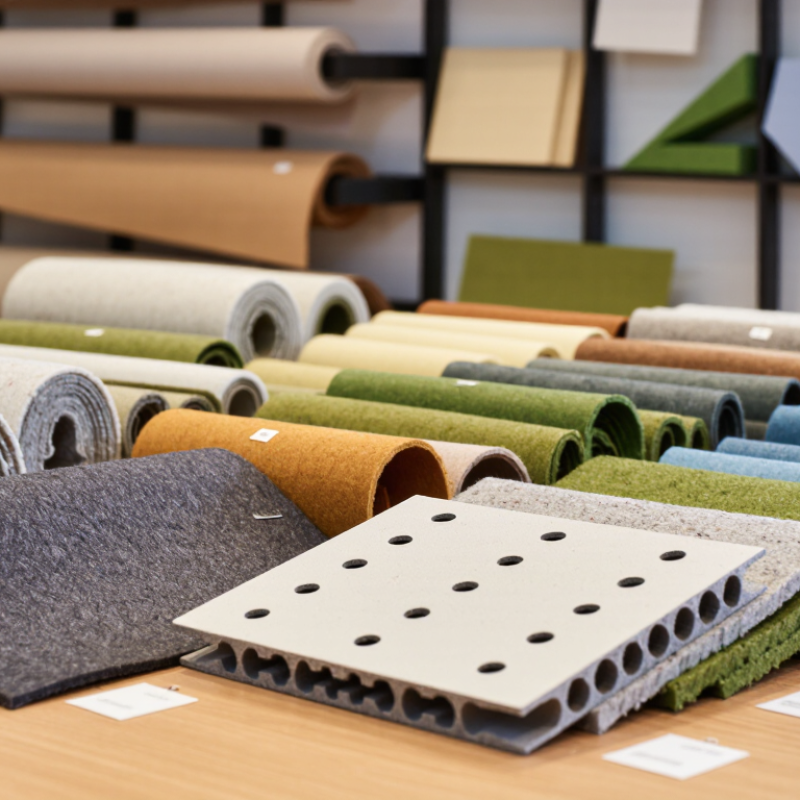
2026 Best Wool Blend Felt Types for Global Buyers?

Wool Blend Felt: Definition, Composition, and Key Characteristics

2026 Best Wool Blend Felt Types for Global Buyers?

Wool blend felt is a nonwoven sheet made by entangling wool fibers with other fibers. Common partners include polyester, rayon, acrylic, and recycled fibers. The wool portion adds warmth, natural crimp, moisture buffering, and a soft, slightly irregular surface. Synthetic fibers can improve strength, dimensional stability, color consistency, or price control.

Textile Exchange’s Materials Market Report 2024 estimates global fiber production reached about 124 million tonnes in 2023. Wool represented roughly 1% of total fiber output. This small share makes wool blend felt a specialized material, not a universal substitute. In practical sourcing, a 30% wool blend feels different from a 70% wool blend. Thickness, density, fiber length, and bonding pressure also change performance. I have found that “wool blend” labels sometimes hide important details. That deserves scrutiny.

Tips: Ask for the exact fiber percentages, felt weight, thickness, and production tolerance. Request test data for tensile strength, pilling, colorfastness, and moisture behavior. For insulation or interior applications, verify applicable flammability requirements with an independent laboratory. IWTO market data can help buyers understand wool supply conditions, but it cannot replace product testing. A sample may look excellent. Its edges may still fray after cutting. Small production trials often reveal this weakness before large orders.

2026 Best Wool Blend Felt Types for Global Buyers

Wool Blend Felt: Definition, Composition, and Key Characteristics

Wool blend felt is a nonwoven material made by combining wool with one or more manufactured or regenerated fibers. The chart compares representative procurement formulations commonly used to balance warmth, resilience, abrasion resistance, dimensional stability, and cost. Actual specifications vary by supplier, grade, fiber diameter, density, and finishing process.

Wool-rich blend
High warmth, moisture management, and natural hand feel; suitable for premium craft, apparel, and acoustic applications.
Balanced wool blend
Provides a practical compromise between wool performance, abrasion resistance, dimensional stability, and price.
Performance blend
Higher synthetic-fiber content can improve durability, shape retention, color consistency, and production efficiency.

Main Types of Wool Blend Felt and Their Fiber Ratios

2026 Best Wool Blend Felt Types for Global Buyers?

Main Types of Wool Blend Felt and Their Fiber Ratios

Wool blend felt is commonly classified by fiber ratio. A 30% wool and 70% polyester blend offers lower cost, stable sizing, and strong abrasion resistance. It suits packaging inserts, craft panels, and decorative displays. A 50/50 blend gives a more balanced result. It feels warmer than synthetic felt and usually keeps its shape well. A 70% wool and 30% polyester blend provides better softness, moisture handling, and natural resilience. It works well for premium accessories, acoustic panels, and interior details. A wool and viscose blend can feel smooth and absorbent, but it may shrink more during wet processing.

A ratio alone can mislead. Fiber length, needle density, thickness, and finishing also affect performance. In practical sourcing, I check the edge after cutting. Loose fibers often reveal weak bonding. I also compare samples after pressing and light rubbing. Small differences matter. Buyers should request fiber-content records, weight data, thickness tolerance, shrinkage results, and colorfastness reports. These documents improve traceability and support more reliable purchasing decisions.

Tips

Choose the ratio by application, not appearance alone. For humid shipping routes, ask for moisture and mold-control information. For heavy-use products, test abrasion resistance before ordering. Request samples from different production batches when consistency matters. A 50/50 blend may seem ideal, but it is not universal. Product testing should decide the final choice.

2026 Best Wool Blend Felt Types for Global Buyers? - Main Types of Wool Blend Felt and Their Fiber Ratios
Wool Blend Felt Type Typical Fiber Ratio Construction Key Performance Characteristics Typical Applications Buyer Considerations
Wool–Polyester Felt 30–70% wool
30–70% polyester
Needle-punched or wet-processed nonwoven felt Good shape retention, abrasion resistance, dimensional stability and color consistency; wool contributes warmth and sound absorption. Acoustic panels, bags, craft products, furniture pads, display materials and interior accessories. A practical general-purpose choice when durability, repeatable quality and moderate cost are important.
Wool–Acrylic Felt 20–60% wool
40–80% acrylic
Usually needle-punched; may be produced in decorative sheet form Lightweight, soft handle, bright coloration and good resistance to mildew compared with many natural-fiber materials. Craft sheets, toys, seasonal decorations, banners, apparel accessories and lightweight packaging inserts. Suitable for decorative uses; acrylic generally has lower heat resistance than wool and polyester.
Wool–Rayon Felt 30–70% wool
30–70% rayon
Wet-laid or needle-punched blend Smooth surface, soft drape and attractive appearance; rayon improves softness but can reduce wet strength. Garment interlinings, millinery, decorative panels, lining components and craft applications. Best for appearance and hand feel; protect from prolonged moisture and aggressive washing.
Wool–Nylon Felt 30–70% wool
30–70% nylon
Needle-punched or compressed industrial felt High tensile strength, good abrasion resistance and improved tear resistance compared with wool-only felt. Gaskets, washers, vibration-control parts, industrial pads, filtration components and protective liners. Appropriate for demanding mechanical service; confirm chemical compatibility and operating temperature for each application.
Wool–Polypropylene Felt 20–60% wool
40–80% polypropylene
Needle-punched nonwoven felt Low moisture absorption, low density and good resistance to many common acids and alkalis; wool adds resilience and acoustic performance. Automotive trim, packaging protection, acoustic components and lightweight industrial liners. Useful where low water absorption matters; polypropylene has a relatively low melting point, so heat limits must be checked.
Wool–Cotton Felt 30–70% wool
30–70% cotton
Needle-punched, pressed or blended textile felt Natural-fiber hand feel, moderate breathability and good comfort; cotton improves softness while wool adds resilience. Apparel accessories, home décor, craft goods, soft furnishings and protective textile layers. Choose for a natural appearance and feel; moisture management and dimensional stability depend strongly on finishing.
Wool–Linen Felt 40–80% wool
20–60% linen
Pressed or needle-punched natural-fiber blend Firm hand, natural texture, moderate strength and a distinctive matte surface; linen can improve surface crispness. Interior decoration, stationery, millinery, premium craft products and design-focused accessories. Selected mainly for texture and natural-fiber content; color and surface variation may be more noticeable.
Wool–Viscose Felt 30–70% wool
30–70% viscose
Wet-laid or needle-punched felt Soft touch, smooth appearance and good dye receptivity; viscose may reduce wet durability and recovery after compression. Decorative goods, apparel components, lining materials, display products and craft sheets. Recommended for visual quality and softness rather than heavy-duty or continuously wet service.
Wool–Polyamide Felt 40–80% wool
20–60% polyamide
Compressed or needle-punched technical felt Good abrasion resistance, resilience and fatigue performance; wool contributes friction control and noise reduction. Industrial seals, bearing pads, machine components, protective layers and technical filtration media. Confirm the exact polyamide grade when exposure to heat, oils or chemicals is expected.
Recycled Wool–Recycled Polyester Felt 30–70% recycled wool
30–70% recycled polyester
Mechanically recycled fiber, needle-punched nonwoven Good acoustic absorption potential, low-waste material profile, adequate stiffness and broad color possibilities. Acoustic wall panels, office accessories, packaging inserts, interior products and sustainable design items. Request recycled-content documentation, fiber-origin details, thickness tolerance and color consistency data.
Wool–Flame-Retardant Synthetic Felt 30–70% wool
30–70% treated polyester or other synthetic fiber
Needle-punched or compressed technical felt with a flame-retardant treatment or fiber Wool offers naturally limited flame spread compared with many untreated fibers; the final result depends on blend, treatment and construction. Transport interiors, public-space acoustic products, contract upholstery components and technical insulation layers. Do not rely on fiber ratio alone; require testing against the destination market’s applicable fire standard and end-use specification.
Fiber ratios are typical commercial formulation ranges rather than universal standards. Final performance depends on fiber grade, felt density, thickness, processing method, finishing and test conditions.

How to Compare Felt Thickness, Density, Texture, and Durability

2026 Best Wool Blend Felt Types for Global Buyers?

How to Compare Felt Thickness, Density, Texture, and Durability

Wool blend felt varies sharply between pressed, needle-punched, and woven constructions. Thickness alone can mislead. A 3 mm sheet may feel firmer than a softer 5 mm sheet because its fibers are more tightly compacted. Measure thickness under controlled pressure, following ISO 5084. Record density as mass divided by volume. This exposes hidden differences between suppliers. IWTO market data reports that wool remains below 1% of global fiber production, so consistent sourcing and testing matter for buyers.

Texture reveals fiber selection and finishing quality. Fine wool usually feels smoother against the hand, while coarse fibers create a stronger, more visible surface. Synthetic fibers can improve dimensional stability, but excessive content may reduce the warm, natural handle. The Textile Exchange Materials Market Report 2024 estimates global fiber production reached about 124 million tonnes in 2023. Wool is a small category, not a reason to accept vague specifications. I have seen samples that looked identical but compressed differently after repeated handling.

Tips: Request samples at identical thicknesses. Check edges for loose fibers. Weigh each sample before testing. Measure recovery after compression. For abrasion, ask for ISO 12947 or ASTM D4966 results, and confirm the test load, cycles, and surface condition. Do not compare numbers from different methods. A supplier’s “high density” claim needs measured values. Even then, humidity can change the result.

Choosing Wool Blend Felt for Industrial, Craft, and Interior Uses

2026 Best Wool Blend Felt Types for Global Buyers?

Choosing Wool Blend Felt for Industrial, Craft, and Interior Uses

Wool blend felt combines natural resilience with controlled synthetic performance. Its value depends on fiber ratio, density, thickness, and finishing method. For industrial pads, choose dense felt with stable compression and clean cutting edges. A polyester-rich blend often improves dimensional stability and moisture tolerance. However, it may feel less warm and recover differently after pressure.

Craft users usually prefer medium-density felt with smooth surfaces and consistent color. It should cut easily without excessive shedding. Interior designers need more than attractive texture. Check lightfastness, odor, abrasion resistance, and available fire-performance documentation. In a quiet office, even a mild chemical smell can become noticeable. A felt that looks excellent under showroom lighting may appear uneven beside natural wood.

Tips: Request samples from several production batches. Measure thickness at multiple points. Ask for fiber composition, density, colorfastness, and test reports. Confirm roll width and packing details before ordering. Small differences matter.

In practical sampling, I have seen softer felt crease during shipping, while very dense felt resisted precise hand cutting. That trade-off is easy to overlook. Some buyers also select recycled fibers without checking surface consistency. A responsible specification should balance performance, appearance, maintenance, and expected service life. Let the actual application guide the blend, not only the lowest price.

Global Buying Factors: Quality Standards, Costs, and Supplier Checks

2026 Best Wool Blend Felt Types for Global Buyers?

Wool blend felt is not a single product category. Needle-punched, pressed, and laminated felt suit different buying needs. Wool improves warmth, resilience, and moisture control. Synthetic fibers can reduce cost and improve dimensional stability. Textile Exchange’s Materials Market Report 2024 places wool at roughly 1% of global fiber production. That limited supply can affect pricing and lead times.

Quality checks should begin with measurable specifications. Request wool percentage, fiber origin, GSM, thickness, density, and shrinkage results. Ask for colorfastness and formaldehyde testing when felt will touch interiors or consumer goods. ISO 17751-1 provides recognized methods for identifying and measuring wool fibers. IWTO market data reports annual greasy wool production near 1.1 million tonnes, so grades and availability vary by region. A low price may hide inconsistent blending.

Supplier verification needs more than a polished sample. Request recent laboratory reports, production photographs, batch records, and a small trial order. Compare the approved sample with the delivered roll. Check edge firmness, surface shedding, odor, and thickness at several points. OECD supply-chain guidance supports documented due diligence and traceability. I would also calculate landed cost, including testing, packaging, freight, duties, and rejected material. Samples can mislead. One overlooked detail is often the expensive one.