2026 Top Push Up Bra Types for Global Buyers
Global buyers are assessing Push Up Bra styles in a lingerie market shaped by changing fit preferences and retail channels. Grand View Research’s Lingerie Market Size, Share & Trends Analysis Report (2024) estimates the global market at USD 94.1 billion in 2023 and forecasts continued growth through 2030. This is a broad lingerie estimate, not a measure of push-up bras alone. Still, it signals a substantial category where fit, product clarity, and dependable sourcing matter.
This guide examines popular Push Up Bra types, from lightly padded everyday designs to more structured styles for specific outfits. Buyers should compare cup shape, lift, strap placement, band stability, fabric feel, and available size ranges. A smooth cup may work beneath a fitted top; a deeper plunge can suit a lower neckline. Small details matter.
Sizing is not universal. Regional size charts, body proportions, and customer expectations can vary, so buyers should verify measurements and sample products before placing large orders. The market report offers context, not a guarantee of demand for any individual design. That distinction is easy to overlook. Product descriptions should also be precise about padding, support, materials, and care instructions. The right style depends on the wearer—and sometimes the first sample still needs revision.
What Defines a Push-Up Bra and How It Works
A push-up bra uses padding, cup shape, and support to lift breast tissue and create more cleavage. It changes the silhouette while worn; it does not change breast tissue. Padding may sit beneath the cup or along its outer edge. A firm, level band helps keep the cups close to the body. The effect varies with padding depth, cup shape, and fit.
Fit matters more than the label. If the cups gape, the padding may not sit where intended. If tissue spills over the top or sides, the cup may be too small. Grand View Research valued the global lingerie market at USD 94.1 billion in 2023 and projected 6.1% annual growth from 2024 to 2030. This covers lingerie overall, not push-up bras alone. Still, market growth does not mean one style suits everyone.
Tips: Try the bra under a close-fitting top. Check that the center panel rests against the chest and the band stays level when you move. Comfort is a useful test, though it can be easy to overlook when judging a bra only by its lift.
Key Materials and Construction Features
For a push-up bra, support starts with the cup, not just its padding. Molded foam creates a smooth outline, while cut-and-sew cups can shape different volumes more precisely. A thin spacer fabric feels airier, though it may offer less lift in some designs. The wings matter too: firm power mesh helps limit band stretch, and a soft microfiber lining can reduce rubbing along the ribs. Fit starts inside.
Textile Exchange’s Materials Market Report 2024 estimates that global fiber production reached 124 million tonnes in 2023, with polyester making up 57 percent. That scale makes fiber choice worth checking, but recycled content alone does not guarantee a durable bra. Look for secure stitching at strap joins, even foam thickness, and elastic that recovers after repeated stretching. Small details count.
The Global Fashion Agenda and McKinsey report Fashion on Climate estimated that the fashion industry produced 2.1 billion tonnes of greenhouse-gas emissions in 2018, about 4 percent of the global total. For buyers, material traceability and construction quality belong in the same specification. There is no perfect recipe: heavier fabrics may feel supportive but can trap heat, and I would test cup recovery after washing before settling on a final design.
Major Push-Up Bra Types Available in 2026
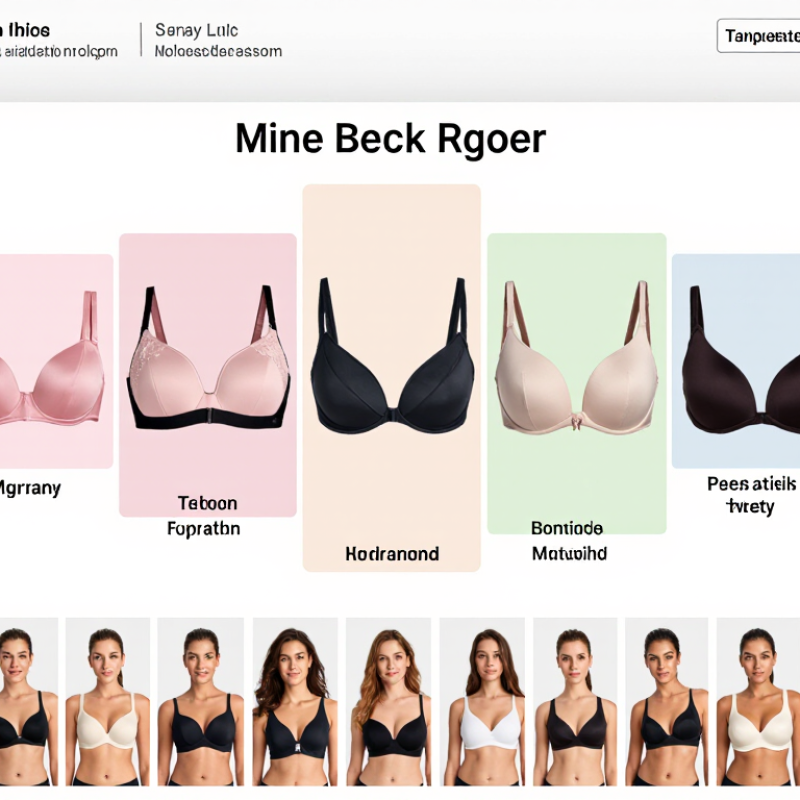
Push-up bras in 2026 come in several constructions, each creating lift in a different way. Graduated-padding styles use thicker foam near the cup’s lower edge, guiding the bust upward without relying on bulky padding throughout. Plunge versions have a low center front, which can suit wrap dresses and deep necklines. Their fit depends on the wearer’s shape, not just the outfit.
Removable-insert designs offer adjustable volume, while molded-cup styles create a smooth outline under light tops. Some models combine padding with side-support panels to help bring breast tissue toward the center. Check how the cups feel when arms are raised; gaping or pressure near the underarm can signal a poor match. Small details count. Strap placement and band tension matter.
For buyers comparing product ranges, review cup depth, wire shape, padding thickness, and fabric recovery rather than relying on photos alone. A soft lining may feel comfortable, but it does not automatically provide stable support. I still find padding thickness easy to overemphasize; the band often does more of the supporting work. Request fit samples across representative sizes, and assess them after movement, not only while standing still. Comfort varies, and a popular silhouette will not suit everyone.
How to Choose a Push-Up Bra for Fit and Support
A push-up bra should lift comfortably, not force the bust into a shape that feels unfamiliar. Start with the band: it should sit level around your body and feel snug without restricting a deep breath. The band provides much of the support, so straps should not dig into your shoulders to compensate. Check the cups in a thin top. Spilling at the edges, empty space near the top, or a center panel that floats can signal a size or shape mismatch.
Move around a little. Raise your arms, sit down, and reach forward. The bra should stay in place without pinching or shifting. Small details matter. Firm, smooth seams can reduce rubbing, while adjustable straps help fine-tune the fit. Padding thickness and placement also change the look and feel; more padding does not automatically mean more support. Size labels vary between regions, so compare your measurements with the seller’s size chart rather than relying only on a familiar number. A mirror check helps, but it can miss pressure you notice after an hour. Fit is personal, and sometimes the first choice simply isn’t right.
Global Buying Factors: Sizing, Markets, and Use Cases
Global buyers should treat sizing as a market-specific fit problem, not a simple label conversion. A 34C in one sizing system may not match a 75C in another. ISO 8559-1 standardizes body-measurement definitions, but retail labels and grading can still vary. Ask suppliers for garment measurements, fit models, and a size chart tested in the target market. Small differences matter. A band that rides up or a cup that cuts in can make added lift uncomfortable.
Market demand supports careful assortment planning. Grand View Research estimated the global lingerie market at about US$94.6 billion in 2023 and projected 6.1% annual growth through 2030. That broad category includes more than push-up bras, so it should guide context, not forecast one style’s sales. McKinsey’s State of Fashion 2025 also describes value-conscious shoppers as a key industry pressure. Buyers may need to balance price, fabric quality, and fit rather than chase a single trend.
Use cases shape construction choices. For daily wear, soft edges and breathable lining can reduce friction during long hours. For low-cut outfits, a deeper center front may work better; removable padding offers flexibility, but can shift after washing. Strapless styles need secure bands and realistic movement tests. Test samples while sitting, reaching, and wearing the intended outfit. It is easy to overlook this. A short fitting trial may still miss all-day comfort.
2026 Top Push-Up Bra Types for Global Buyers
Global Buying Factors: Sizing, Markets, and Use Cases — typical underbust ranges for EU band labels
Use this sizing reference to compare band measurements when sourcing push-up bras for different markets. Fit charts vary by maker and market; confirm each supplier’s measurement guide, and check cup sizing separately.