
News
7 Tips for Buying an Off Road Dump Truck
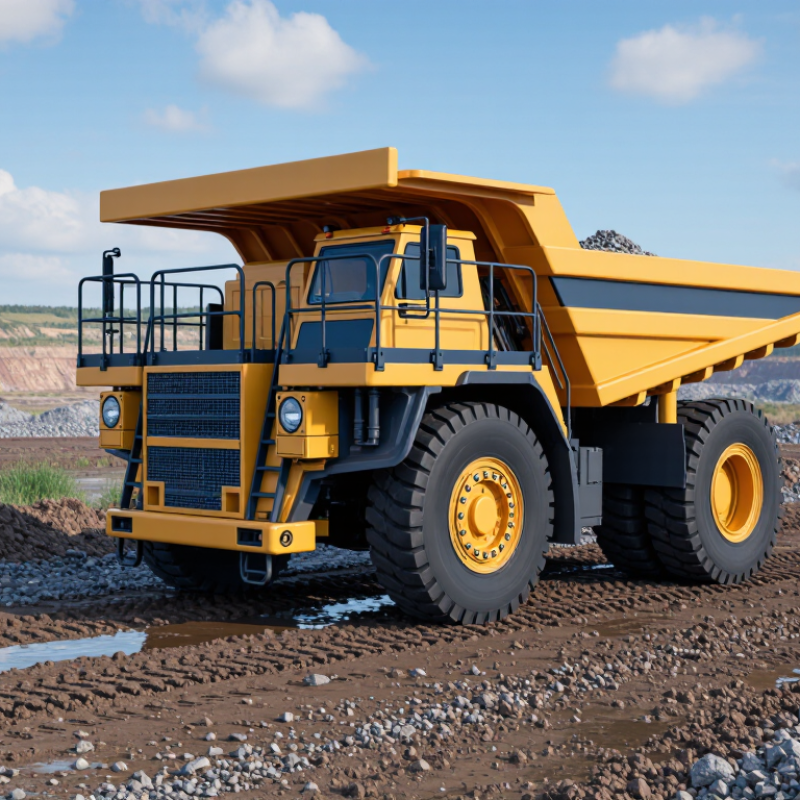
Buying an Off Road Dump Truck is not simply a matter of choosing the largest payload or lowest price. The right machine must suit the material, haul distance, ground conditions, and daily production target. A truck working through wet clay faces different demands from one carrying crushed rock over a firm quarry road. Small details matter: tire condition, cab visibility, service access, and how quickly the body cycles. Look closely.
Construction-equipment management author Mike Vorster is known for emphasizing disciplined equipment decisions. A practical paraphrase of that approach is: “Choose equipment for the work it must perform, not for its specifications alone.” Treat that as guidance, not a verified direct quotation. It points to a useful question: will this truck stay productive across your actual routes and shifts? A brochure cannot answer that. Inspect the machine, review maintenance records, and ask operators about visibility, braking feel, and loading balance. Their feedback may reveal problems that a specification sheet misses.
This guide outlines seven practical checks before you buy an Off Road Dump Truck. Compare payload with real material density, not an idealized estimate. Assess engine performance, transmission behavior, tire availability, and parts support in your region. Consider fuel use across a typical shift, including loaded climbs and empty returns. Then examine the warranty, service history, and resale prospects. Be cautious with unusually attractive prices. A low purchase cost can hide downtime, worn components, or limited dealer support. No checklist removes every uncertainty. Build in time for an independent inspection, and be willing to reconsider your assumptions.
Define the Worksite and Hauling Requirements
Before comparing truck capacity, map the actual worksite. Measure the narrowest haul-road width, steepest sustained grade, turning radius, and distance to the dump point. Note soft shoulders, wet clay, loose rock, and low overhead clearance. These details affect traction, cycle time, and safe maneuvering. Estimate material volume per shift, then check whether the loading equipment can fill the truck efficiently. A large payload is not useful if the route cannot support it.
Tip: Walk the route. Mark loading and dumping areas, tight turns, and places where trucks may need to pass. The USGS Mineral Commodity Summaries 2024 estimated U.S. construction sand and gravel output at about 960 million tons in 2023. That scale shows why hauling needs vary widely; national averages cannot size a truck for your site.
Compare payload with the material’s measured density, not a rough visual guess. Wet aggregate can weigh more than dry material, while loose fill may occupy more space before reaching the weight limit. Record loaded and empty cycle times during a representative shift. Include queues, spreading, and return travel. A tidy calculation may still miss muddy mornings. Recheck your assumptions after the first week, when real cycle times and road conditions expose what the initial estimate missed.

Compare Truck Types, Payload, and Terrain Capability
When comparing off-road dump trucks, start with the route, not the advertised capacity. Rigid-frame trucks often suit wide, firm haul roads and heavier loads. Articulated trucks can handle tighter turns and uneven ground, where a flexible joint helps keep the wheels in contact. Smaller trucks may fit confined work areas, but frequent trips can reduce daily output. There is no perfect type for every site.
Check payload against the material you will actually carry. Wet soil can weigh much more than a loose, dry load, so volume alone can mislead. Compare the truck’s rated payload with typical load weights, then consider how often it must travel and unload. Avoid planning around the maximum rating for every trip. That leaves little margin for changing conditions.
Terrain capability deserves a close look. Note steep grades, soft patches, sharp turns, and the distance between loading and dumping points. A truck that climbs well on paper may struggle when the road is muddy or poorly maintained. Ask for the operating limits and ground-clearance details, and compare them with a site inspection. Small details matter. Tire choice, turning space, and braking performance can affect productivity as much as payload. Recheck your assumptions after the first few workdays; real ground conditions are often less predictable than a site plan suggests.
| Tip | What to Compare | Truck Type and Indicative Payload | Terrain Capability | Buying Check |
|---|---|---|---|---|
| 1. Match the truck type to the job | Choose based on haul-road conditions, travel distance, site space, and material volume. | Site dumpers commonly carry about 1–10 metric tonnes; articulated haulers often carry roughly 23–41 metric tonnes; rigid-frame haul trucks cover a very broad range, from around 36 metric tonnes to several hundred tonnes. | Site dumpers suit compact, confined work areas. Articulated haulers are designed for rough, uneven routes. Rigid-frame trucks are generally suited to large sites with well-prepared haul roads. | These are broad industry ranges, not guaranteed specifications. Confirm the rated payload for the exact model and configuration. |
| 2. Calculate payload from the material | Estimate daily volume, material density, moisture, and the number of trips required. | Payload is a weight limit, not simply a body-volume figure. The same body can reach its weight limit sooner when hauling dense or wet material. | Soft ground and steep grades can reduce practical hauling performance even when the truck is within its rated payload. | Check the payload plate and operating manual. Avoid routine overloading, which can increase wear and affect braking and stability. |
| 3. Evaluate the worst part of the route | Assess mud, loose soil, rocks, ruts, cross-slopes, and seasonal ground conditions. | Articulated haulers typically offer an articulated frame and all-wheel drive; rigid-frame trucks depend more heavily on suitable road design and ground preparation. | Articulated steering and driven axles can help on rough, changing surfaces. No truck type removes the need to assess traction, ground bearing capacity, and safe route limits. | Walk or inspect the route in wet conditions and compare the truck’s ground clearance, tire options, and traction features with actual site conditions. |
| 4. Check grades and stopping distance | Compare loaded uphill grades, downhill sections, braking requirements, and route length. | Gradeability and retarding performance are model-specific and depend on load, surface, altitude, and operating conditions. | Steep or long descents require appropriate service brakes and, where fitted, a retarder. Slippery or loose surfaces can increase stopping distance. | Request the manufacturer’s grade and braking guidance for the planned route; do not rely on an unloaded demonstration. |
| 5. Match the body to the material | Consider material density, particle size, abrasiveness, moisture, and loading method. | Body volume and payload rating must work together. High-density rock may reach the rated weight before the body is full; low-density material may require more body volume. | Rocky routes and rough loading areas can increase impact and abrasion on the body and tires. | Check body capacity, liner options, tailgate requirements, and compatibility with the loading equipment. |
| 6. Compare operating costs and service access | Look beyond purchase price to fuel, tires, maintenance, parts, downtime, and operator training. | Larger payload capacity may reduce trips, but only if the route, loading equipment, and site can support the truck efficiently. | Rough ground can accelerate tire and suspension wear; remote sites may make breakdown response and parts availability especially important. | Estimate cost per tonne moved and verify maintenance intervals, service access, and parts support before committing. |
| 7. Verify safety, visibility, and legal requirements | Review visibility, access steps, alarms, cameras, seat belts, rollover protection, and site traffic controls. | Equipment requirements vary by truck class, jurisdiction, and worksite rules. Public-road registration may differ from off-highway site use. | Uneven ground, limited sightlines, and reversing areas can increase risk, especially on congested sites. | Confirm applicable local regulations and site standards, and assess the truck with the intended operators before purchase. |
Inspect the Engine, Drivetrain, Brakes, and Frame
An off-road dump truck can look solid while hiding costly wear. Inspect it cold, before the seller warms the engine. Check for oil or coolant leaks, uneven exhaust smoke, and metal particles in the oil sample. Start it and listen for rough idling or delayed response. The U.S. Bureau of Labor Statistics recorded 1,942 fatal occupational injuries involving transportation incidents in 2023. That broad figure is not specific to dump trucks, but it underlines why safe operation deserves careful attention.
Tip: Drive the truck under load if possible. Test each gear for slipping, clunks, or unusual vibration. Check the driveshaft joints and differentials for leaks. Brake firmly on a level, clear surface; pulling to one side, a soft pedal, or air-pressure loss needs investigation. Look closely at the frame rails, welds, and crossmembers. Fresh paint around a crack can hide a repair, so ask for its history.
Bring an experienced mechanic when you can. A visual check cannot reveal every internal fault, and a short test drive has limits. I would not treat clean-looking parts as proof of good condition. Record tire wear, warning lights, and any play in steering components. Ask to see maintenance records, then compare them with the truck’s hours and operating conditions.
Evaluate Operating Costs, Service History, and Parts Support
An off-road dump truck’s price is only the starting point. Estimate fuel, tires, scheduled maintenance, repairs, operator time, and downtime over your expected annual hours. The U.S. Energy Information Administration reported an average U.S. on-highway diesel price of $4.21 per gallon in 2023. Treat that as a reference, not your site’s fuel quote: off-road delivery prices and consumption vary. EquipmentWatch’s Cost Recovery resources also distinguish ownership costs from operating costs, a useful framework for comparing machines.
Tip: Ask for fuel-burn records under similar loads and routes. Check invoices against engine hours, not just calendar years. A low-hour truck can still need expensive tires or overdue service. Small details matter.
Request complete service records, including oil-analysis results, transmission work, cooling-system repairs, and documented inspections for frame cracks. Match hour-meter readings across invoices and inspection reports; gaps deserve a clear explanation. Then verify parts support before purchase. Ask local suppliers about common wear items, lead times, and after-hours access. A machine waiting days for a hose or brake component can erase an attractive purchase price. I would also price one likely repair before deciding. Estimates can be imperfect, but that uncertainty is better than assuming every part is nearby.
Verify Safety Features, Compliance, and Purchase Terms
Before buying an off-road dump truck, inspect the safety systems in person. Test the service and parking brakes, backup alarm, lights, mirrors, seat belt, and any rollover protection. Look for cracked welds, loose handrails, hydraulic leaks, and uneven tire wear. The U.S. Bureau of Labor Statistics recorded 5,283 fatal work injuries in 2023, a reminder that equipment condition and site procedures matter. That figure covers all industries, not dump trucks alone. For U.S. worksites, review applicable requirements in OSHA standard 29 CFR 1926.602 and confirm the truck’s configuration suits the terrain and load.
Tips: Ask for maintenance and inspection records. Have a qualified mechanic check the chassis, hoist, and braking system under load. Test visibility from the cab, especially around the rear corners. Small blind spots can become serious on a crowded haul road.
Verify compliance documents before payment, including the vehicle’s identification details, emissions information, and any required inspection records for your jurisdiction. Put the purchase terms in writing: stated condition, included attachments, delivery date, warranty scope, and who pays for repairs found during inspection. Clarify whether the quoted price includes transport and taxes. I would not rely on a verbal promise; paperwork is less exciting, but it is easier to review when a dispute arises.