
News
7 Best Anti-Ligature LED Downlights for Buyers
Choosing an Anti-Ligature LED Downlight takes more than comparing brightness and price. In secure or supervised spaces, small design details can affect safety, maintenance, and everyday comfort. Buyers should look closely at the trim, fixings, housing, and how the fitting sits against the ceiling. Smooth edges and secure installation matter. So does access for routine inspection.
This guide reviews seven options through practical buying considerations, including light output, color temperature, glare control, durability, and cleaning needs. A bright fitting may still create harsh shadows in a compact room. A sealed-looking design may also need careful checking before it suits a particular ceiling or cleaning routine. Details matter. Product descriptions are useful, but they do not replace checking technical documents and installation requirements. Where possible, compare test information, warranty terms, and support from the manufacturer. Not every product fits every environment.
The right choice depends on the room, the people using it, and the work needed to keep it functioning. This guide is intended to help buyers ask clearer questions, rather than promise a perfect solution. There is no shortcut. Even a well-specified downlight can disappoint if it is poorly matched to the space or installed without suitable care.
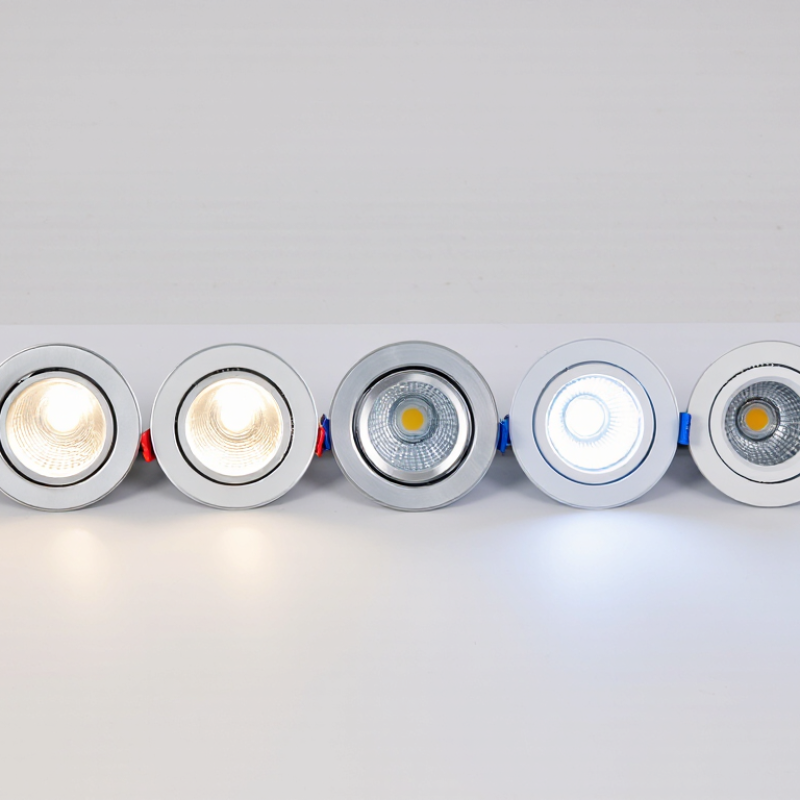
Understanding Anti-Ligature LED Downlights and Their Purpose
An anti-ligature LED downlight is designed to reduce points where cords or other materials could be attached. Its recessed, secure construction can help limit accessible gaps and loose components in higher-risk rooms. The goal is practical: provide dependable light while making the ceiling fitting harder to tamper with. Details matter. A flush lens, robust fixing, and smooth finish are useful features, but the complete installation matters just as much. A poorly fitted unit can undermine careful product selection.
LED efficiency brings another benefit. The U.S. Department of Energy reports that LEDs use at least 75% less energy and last up to 25 times longer than incandescent lighting. Those figures describe LEDs generally, not anti-ligature performance. Buyers should still check light output, glare, colour rendering, cleaning requirements, and whether the fitting suits the room’s ceiling and care needs. A product specification alone cannot guarantee safety. Consider the surrounding layout, installation quality, inspection schedule, and staff feedback. Real rooms are messy; even a well-chosen fitting may need reassessment after use.

Key Safety, Lighting, and Durability Criteria for Buyers
7 Best Anti-Ligature LED Downlights for Buyers
For anti-ligature downlights, inspect the installed fitting, not just its product photo. A flush, securely fixed face can reduce accessible edges and gaps, while a smooth finish helps staff clean around the ceiling opening. Details matter. Ask for impact-test documentation, fixing methods, and cleaning-chemical compatibility. These details are easy to overlook during selection.
No single light fitting makes a room safe; the whole space needs a qualified risk assessment.
Lighting quality matters just as much. Check room-level illuminance, glare, colour rendering, and whether dimming suits evening routines. A bright pool beneath a fitting may still leave faces or doorways poorly lit. The U.S. Department of Energy’s Energy Saver guidance reports that LEDs use at least 75% less energy and can last up to 25 times longer than incandescent lighting.
Those figures describe LED lighting generally, not every complete downlight or its conditions. Not a guarantee. Ask for rated life, lumen-maintenance data, and a clear replacement plan. A fitting may appear robust, yet servicing can expose awkward fixings or create avoidable disruption. I would compare these practical details before relying on a long-life claim alone.
Seven Anti-Ligature LED Downlights Compared by Core Features
Choosing an anti-ligature LED downlight means comparing the complete fitting, not just its trim. A sealed, flush-mounted model can reduce accessible edges and simplify cleaning. A shallow-body model suits tight ceiling voids, but may limit heat management. A wet-area version adds ingress protection for washrooms; check its rating against the actual installation conditions. Small details matter.
Other useful comparisons include a tamper-resistant fastener design, an emergency-backup option, a dimmable model, and a serviceable LED module. Fasteners should resist casual removal without making planned maintenance impractical. Emergency lighting needs clear runtime and test information. Dimming supports different room uses, though compatibility with the control system should be confirmed. A replaceable module can reduce future disruption, but not every fitting allows easy access. These are trade-offs, not automatic wins.
Tips: Ask for test documentation for the complete fitting, including lens, screws, and mounting method. Check light output, colour temperature, ceiling depth, cleaning needs, and service access on the product data sheet. Installation quality matters. Even a well-designed downlight can leave accessible gaps if fitted poorly. One detail is easy to overlook: confirm that the chosen beam spread gives useful light at the work plane, not just a bright spot overhead.
7 Best Anti-Ligature LED Downlights for Buyers - Seven Anti-Ligature LED Downlights Compared by Core Features
This comparison covers seven common design configurations, not specific products. Exact dimensions, light output, ingress protection, impact resistance, emergency-lighting performance and anti-ligature suitability vary by model; confirm them in the manufacturer’s technical documentation and project requirements.
| Configuration | Core design features | Potentially suitable for | Main trade-off | Buyer checks |
|---|---|---|---|---|
| 1. Low-profile flush recessed | Recessed fitting with a smooth, close-to-ceiling front and secured fixing points. | Rooms where a discreet appearance and reduced protrusion are priorities. | Requires a compatible ceiling void and cut-out; shallow ceiling space can limit fitting choice. | Check fitting depth, cut-out dimensions, fixing method, service access and documented anti-ligature assessment. |
| 2. Robust recessed, impact-resistant front | Recessed format with a front assembly designed to resist impact and unauthorized removal. | Areas where the luminaire may be exposed to deliberate impact or tampering. | A stronger front assembly may affect light transmission, appearance or maintenance procedures. | Request the applicable impact-test information, retention details, replacement procedure and compatible ceiling construction. |
| 3. Wide-distribution optic | Optic designed to spread light over a relatively broad area from each fitting. | General ambient lighting where broad coverage is preferred. | Coverage depends on mounting height, spacing, room reflectance and the actual photometric distribution. | Review the photometric file and a lighting calculation; do not select on appearance or stated wattage alone. |
| 4. Controlled-distribution optic | Optic designed to direct light more selectively than a broad-distribution option. | Layouts that need more controlled placement of light, subject to the room design. | Incorrect spacing or positioning can produce uneven illumination or darker areas. | Check the beam distribution, glare information and calculated illuminance for the intended mounting height and layout. |
| 5. Sealed-front configuration | Front assembly intended to limit dust or moisture ingress when installed and maintained as specified. | Locations where cleaning methods or environmental conditions make ingress protection relevant. | A sealed construction does not, by itself, establish a particular ingress-protection rating or cleaning compatibility. | Verify the stated IP rating, test standard, gasket maintenance requirements and compatibility with the site’s cleaning chemicals. |
| 6. Emergency-lighting version | Downlight supplied in a version with emergency-lighting components or provision, depending on the model. | Projects that require emergency illumination as part of the lighting design. | Emergency duration, output, operating mode and testing arrangements are model-specific. | Confirm applicable emergency-lighting compliance, rated duration, maintained or non-maintained operation, test method and circuit requirements. |
| 7. Serviceable modular configuration | Design intended to allow specified components, such as the driver or light source, to be accessed or replaced using the approved method. | Facilities planning for maintainability and controlled replacement procedures. | Serviceability must not compromise secure retention or the fitting’s assessed performance after reassembly. | Check which parts are replaceable, who may carry out the work, whether special tools are required and how the fitting is secured after servicing. |
Choosing the Right Downlight for Different Secure Environments
Choosing an anti-ligature LED downlight starts with the room, not the fixture catalogue. In a behavioral-health bedroom, a flush profile can reduce accessible edges, but only when the ceiling construction supports secure installation. Check how the trim is retained, where wiring sits, and how maintenance access works. Details matter.
Bathrooms need a different review. Moisture ratings, sealed lenses, and cleanable surfaces matter near showers and sinks; confirm suitability against actual exposure, not the room label alone. Bright is not always better. Use ceiling height, expected tasks, and glare control to choose light output. A harsh pool of light can make a small room feel more stressful.
For secure corridors or supervised residential spaces, consider even illumination, impact resistance, and compatibility with the building’s emergency-lighting plan. Ask for photometric data and clear installation instructions, then have the fixture assessed alongside the ceiling, fasteners, and maintenance routine. A common planning miss is specifying the light before checking ceiling depth or access panels. Small details count. Product descriptions may sound reassuring, yet they do not replace a site review by qualified facilities and lighting professionals.
7 Best Anti-Ligature LED Downlights for Buyers
Choosing the Right Downlight for Different Secure Environments
IEC 60529 defines the first digit of an IP code by protection against solid objects. These thresholds help compare enclosure protection when specifying downlights; a smaller object-size threshold indicates protection against smaller objects. IP rating does not measure ligature resistance, so assess anti-ligature construction separately and check project requirements.
Installation, Inspection, and Maintenance Considerations
Anti-ligature LED downlights should be installed to suit the ceiling construction, not just the room layout. Check the fitting’s dimensions, fixing method, and wiring requirements before cutting an opening. A secure, flush fit helps reduce gaps and movement. Follow the product instructions, and have a competent electrician complete electrical work. Do not alter the housing or substitute fixings. A rushed fit can create problems that are hard to spot from floor level.
During inspections, look for cracked lenses, loose fittings, damaged seals, discoloration, or changes in light output. Check fasteners and the surrounding ceiling for movement. Record inspection dates and any repairs, so recurring faults are easier to identify. Clean with a soft cloth and a compatible, non-abrasive cleaner; harsh chemicals may damage surfaces. Isolate power before maintenance. One detail is easy to overlook: a lamp that still turns on may not be securely fixed.
Tips: Keep the correct replacement parts and fitting instructions on site. Use a step platform for a clear view, and never overtighten fasteners. If the cause of a fault is unclear, pause and seek qualified advice.