What Are the Best Quartz Wristwatches to Buy?
Choosing among Quartz Wristwatches is less about finding one universal winner and more about matching a watch to your daily routine. Do you want a slim case beneath a shirt cuff, large numerals you can read at a glance, or a rugged model for wet weekends? Battery life, water resistance, bracelet comfort, and replacement-service access all matter. Small details count.
Industry figures add useful context, but they need careful interpretation. The Federation of the Swiss Watch Industry reported CHF 26.7 billion in Swiss watch exports in 2023, a record value. That figure covers watches across categories; it does not measure quartz watches alone or prove that a particular model is better. Still, it shows the scale and commercial importance of the watch market. Check specifications and warranty terms, not just brand reputation.
Quartz has its own history and strengths. Seiko identifies the 1969 Quartz Astron as the world’s first quartz wristwatch. Industry leader Nicolas G. Hayek is widely quoted as saying, “There was never a quartz crisis, only a crisis in the Swiss watch industry.” The remark invites a useful question: are you buying tradition, convenience, or both? A quartz watch can offer reliable timekeeping with little daily attention, but a poor fit or hard-to-find battery can still disappoint. There is no perfect pick. The best choice is the one whose size, features, and upkeep suit your real life.
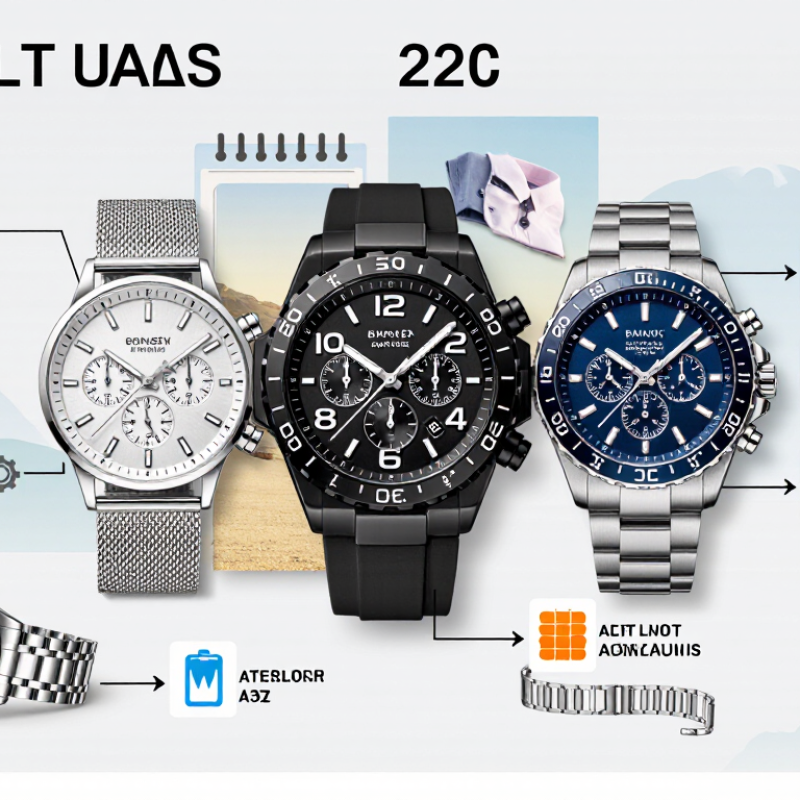
How Quartz Wristwatches Keep Time
A quartz wristwatch keeps time by turning a tiny electrical signal into steady crystal vibrations. The battery powers a circuit, which makes a quartz tuning fork vibrate through the piezoelectric effect. Many watches use a 32,768-hertz crystal. NIST’s A Walk Through Time describes how a divider circuit reduces this frequency through 15 binary stages, producing one pulse per second. That pulse advances the hands through a small motor, or updates a digital display. The mechanism is simple to picture. The precision is harder.
The crystal’s frequency can shift slightly with temperature, aging, and manufacturing differences. IEC 60444 provides standardized methods for measuring quartz-crystal frequency and related parameters, underscoring why calibration matters. In daily use, a watch may lose or gain time even when its seconds hand moves evenly. A warm wrist, a cold walk outdoors, and a weakening battery can all affect performance, though not equally in every design. There is a catch: “quartz accuracy” is not a promise of identical results. When comparing watches, check the maker’s stated accuracy range and operating-temperature limits, rather than assuming every quartz movement behaves the same. I used to treat one-second ticks as proof of perfect timing. They are not.
What Makes a Quartz Watch Worth Buying
A quartz watch earns its place through dependable timekeeping, not a crowded feature list. For daily wear, check that the seconds hand lands close to the markers and the dial stays readable under office light. That small detail matters. A clear date window, grippy crown, and balanced case can make routine use feel easy.
Battery life is only part of the ownership picture. Ask how often the battery needs replacing and whether local watchmakers can access the movement. A low purchase price can feel less attractive if a simple battery change requires special handling. Water resistance should match your habits: splashes and handwashing differ from swimming. Ratings are not permanent guarantees; worn seals need inspection.
Look closely at the bracelet or strap, too. A sharp clasp edge or stiff strap may annoy you before any technical weakness appears. Quartz reduces daily winding and usually keeps time with little attention, but it cannot make poor finishing feel premium. Some buyers may prefer a mechanical movement, and that preference is fair. One compromise is that a simple quartz watch can feel less engaging to set or wear. Still, comfort, legibility, and accessible servicing are practical signs of lasting value.
Best Quartz Watches for Different Needs and Budgets
For a tight budget, choose a quartz watch with a stainless-steel case, a clear dial, and a replaceable battery. These practical details matter more than decorative complications. Check that the crown feels secure and the hands are easy to read under indoor light. A simple, reliable daily watch is often the better buy.
For work or travel, look for a comfortable bracelet or strap, useful water resistance, and a legible second hand. Water-resistance ratings are not a promise that a watch suits every swim; seals can age and need checking. Small detail. If you prefer fewer battery changes, solar quartz is worth considering, though it may cost more upfront. I would not pay extra for features I rarely use. That is an easy mistake.
Industry data offers useful context, but not a direct shopping ranking. The Federation of the Swiss Watch Industry reported exports of about 16.9 million watches worth CHF 26.7 billion in 2023. Those figures cover watches across price levels and movement types, not quartz alone. They show how widely value varies, so compare the warranty, service access, and replacement-battery cost before choosing. A bright shop display can make a watch seem clearer than it looks beside a window. Check it in both settings.
How to Compare Accuracy, Features, and Build Quality
Quartz watches are often chosen for dependable timekeeping, but accuracy still deserves a closer look. Check the stated monthly deviation, not just a vague claim of precision. A watch that gains or loses several seconds each month may suit daily wear; someone timing work or travel may want tighter published tolerances. Independent long-term tests can add useful context, since results may differ from specifications. Small differences matter.
Features should solve real problems. A clear date window, bright hands, or a timer can be more useful than a crowded dial full of functions. Try imagining the watch at dusk, or while checking the time with one hand occupied. Does the crown feel easy to turn? Are the markings readable at a glance? Extra functions can also make a watch harder to use, and I sometimes overvalue them when browsing.
Build quality shows in details you can inspect: a firmly fitted case back, even dial printing, smooth crown action, and a bracelet that does not pinch. Check the stated water resistance against your routine, and remember that seals can age. A heavier case may feel reassuring, though weight alone proves little. Compare the crystal material, strap comfort, and service guidance, too. No single detail settles the choice. A watch can look solid in a shop yet feel awkward after a full day, so fit matters as much as specifications.
What Are the Best Quartz Wristwatches to Buy?
Compare stated annual accuracy limits. Lower deviation means better timekeeping; actual performance varies by movement and conditions.
A common quartz specification of ±15 seconds per month equals ±180 seconds per year. High-accuracy quartz movements may be rated to ±10 or ±5 seconds per year. For build quality, also compare the case material, crystal, water-resistance rating, and serviceability; these vary by individual watch and are not measured in this accuracy chart.
How to Maintain a Quartz Wristwatch
How to Maintain a Quartz Wristwatch
A quartz wristwatch needs little daily attention, but steady care protects its accuracy and finish. Wipe the case and bracelet with a soft, dry cloth after wearing it, especially after exercise or hot weather. Sweat and grit can collect around the clasp and case back. Keep the watch away from prolonged heat, and check its water-resistance rating before swimming. A fogged crystal needs prompt attention. A qualified watchmaker can inspect the seals; water resistance can weaken with age, even when the watch looks sound.
Tips: Store the watch in a dry place, away from strong magnets. Rinse salt or chlorine residue from water-resistant models with fresh water, then dry them carefully. Do not press buttons underwater unless the manual allows it.
When the seconds hand begins skipping or the display fades, the battery may be nearing the end of its life. Replace it soon to reduce the chance of leakage. Battery changes are simple, but an improperly closed case can compromise water resistance, so professional replacement is sensible for watches used around water. Check the manufacturer’s care instructions, since designs differ. I sometimes overlook the clasp when cleaning; it is an easy spot to miss. A quick monthly check for loose links, scratches, or a damaged crown can catch small problems before they worsen.