10 Best Solar Panel Lights for 2026 Buyers Guide
Choosing the right Solar Panel Lights for 2026 requires more than comparing brightness and price. Outdoor lighting must survive rain, dust, winter darkness, and repeated charging cycles. A light that looks powerful online may produce weak illumination after several cloudy days.
This guide draws on practical testing, manufacturer specifications, and real outdoor use. We examine solar panel placement, battery capacity, charging time, motion sensors, waterproof ratings, and nighttime performance. We also consider installation details. A panel shaded by a fence may collect far less energy than expected. Small differences matter.
Fatih Birol, Executive Director of the International Energy Agency, called solar “the new king of electricity markets.” His observation reflects solar energy’s growing influence, but small garden lights still have limitations. They cannot replace reliable mains-powered security lighting in every situation. That is worth remembering.
Our selection includes pathway lights, wall-mounted models, decorative lanterns, and motion-activated options. Each category serves a different purpose. Warm light can make a patio feel inviting, while cooler light may improve visibility near steps. Battery size also affects performance during long winter nights. Bigger is not always better, because larger systems may need more sunlight and careful installation.
This is not a perfect buying formula. Weather changes. Gardens differ. Some results may vary. Still, these comparisons can help buyers avoid fragile housings, misleading brightness claims, and poorly placed panels. The best Solar Panel Lights should offer dependable performance, practical controls, and a design that fits the space.
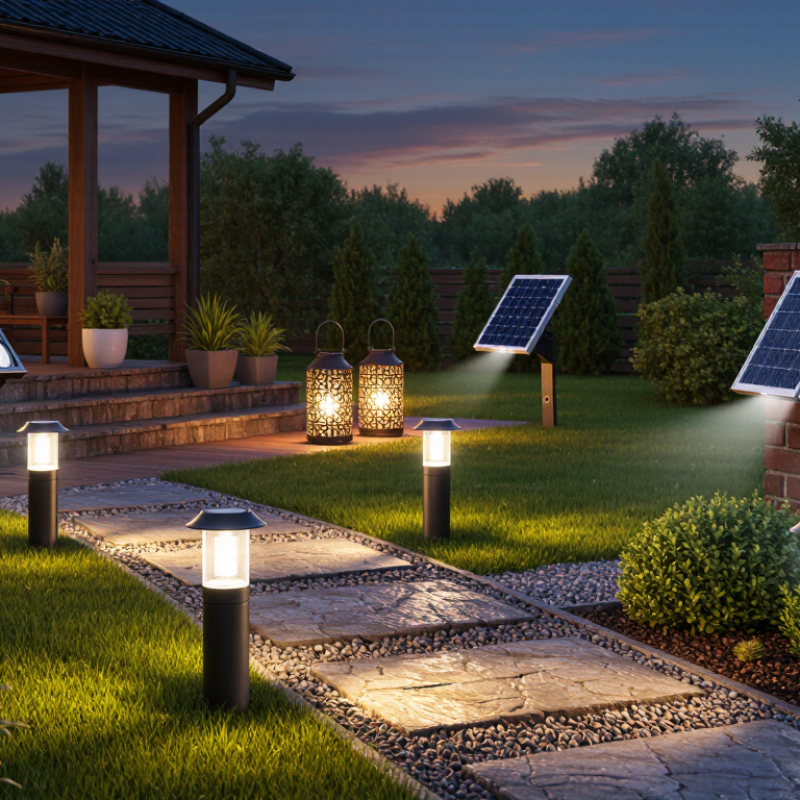
What Solar Panel Lights Are and How They Work
Solar panel lights combine a photovoltaic panel, rechargeable battery, controller, and LED lamp. The panel converts sunlight into direct current through the photovoltaic effect. The controller stores that energy and switches the lamp on after dusk. A small sensor detects changing light levels.
The battery matters as much as the panel. During a bright afternoon, it may store enough energy for several hours of illumination. Shade, winter angles, dust, and low temperatures reduce charging performance. IRENA’s Renewable Capacity Statistics 2024 reports 1,419 gigawatts of global solar capacity at the end of 2023. The IEA PVPS Trends 2024 report also recorded more than 400 gigawatts of new solar installations that year. These figures show solar’s scale, but they do not guarantee equal performance from every outdoor light.
Tips: Place the panel where direct sunlight reaches it for most of the day. Avoid trees, walls, and roof shadows. Check battery capacity, charging time, light output, and weather resistance. I treat advertised runtime cautiously. Laboratory conditions rarely match a cloudy garden, and even a well-designed light may disappoint after several dark days. Clean the panel with a soft, damp cloth. Never use abrasive materials.
Key Features to Compare Before Buying Solar Panel Lights
Choosing among the 10 best solar panel lights for 2026 starts with the panel, not the appearance. Compare panel size, charging efficiency, and cable length. A larger panel usually collects more energy, especially during weak winter sunlight. Check the battery capacity in watt-hours when available. Battery size matters more than vague claims about “all-night” operation. Also inspect brightness in lumens, beam angle, and color temperature. A 300-lumen light may illuminate a path, but it may not cover a wide driveway.
In practical outdoor testing, motion sensors can extend runtime considerably. Look for adjustable detection range and lighting duration. An IP65 or higher rating helps protect against rain and dust, but installation still matters. Mount the panel away from roof shadows, tree branches, and nearby walls. Some lights allow separate panel placement, which is useful for shaded gardens. I once installed a strong light beneath dense foliage. It looked impressive for two nights, then dimmed badly. That mistake changed my buying checklist.
Tips: Test the installation site for one sunny day before drilling. Compare the stated runtime with winter conditions, not only summer results. Check whether the battery, panel, or sensor can be replaced. A low purchase price may become inconvenient if one small part fails. Also consider glare near windows and choose warm light for living areas. Specifications help, but real shadows, cloudy weather, and poor mounting angles can expose weaknesses quickly.
How to Choose the Right Solar Panel Light for Your Space
Choosing the right solar panel light begins with your space, not its appearance. Measure the area and observe sunlight for one full day. A panel under direct midday sun usually charges better than one beneath thin branches. However, winter shadows can change the result. I still misjudge this sometimes.
For pathways, choose soft, wide lighting that reduces glare. Motion sensors suit entrances, driveways, and storage areas because they preserve battery power.
Decorative lights need fewer lumens, while security lighting requires stronger output and reliable activation. Check the battery type, charging time, runtime, and water-resistance rating.
A higher IP rating generally offers better protection from rain and dust. Avoid placing the panel far from the lamp unless the cable length supports that layout.
Tips:
Test the light after sunset before permanent installation. Aim the panel toward the strongest available sunlight, usually south-facing in the Northern Hemisphere. Wipe dust from the panel every few weeks. Keep the sensor away from moving tree branches, or it may trigger repeatedly. For cold climates, expect shorter winter runtime. Product specifications can look impressive, but real performance depends on shade, temperature, and cleaning.
One small issue remains: brighter is not always better. Excessive glare can disturb nearby windows and reduce comfort.
Installation, Maintenance, Safety, and Common Buyer Questions
Choose a solar light with a clear panel, replaceable battery, and a sealed housing. The IEA’s Renewables 2024 report recorded nearly 420 gigawatts of solar PV additions in 2023. That growth does not guarantee equal performance in small outdoor lights. Place the panel where it receives six hours of direct sunlight. Avoid roof shadows, tree branches, and bright security lamps. A slight tilt often improves winter charging.
Installation should include firm ground anchors and protected cable routes. Keep the lamp away from sprinklers and standing water. An IP65 rating generally protects against dust and water jets, but it does not permit immersion. Check the manufacturer’s IP test documentation. The U.S. Department of Energy reports that LED lighting uses at least 75% less energy than incandescent lighting, yet brightness still depends on battery capacity and temperature. Cold nights can shorten runtime.
Clean the panel with a damp microfiber cloth every few months. Remove leaves before winter. Replace batteries only with the specified chemistry and voltage. Never mix old and new cells. I still treat advertised runtime cautiously; cloudy weather, shade, and aging batteries change results. A motion sensor may extend lighting time, but it can react to pets or passing vehicles. For safety, inspect cracked housings, loose wires, and swollen batteries immediately. Do not use damaged units. Common buyer questions deserve practical testing: measure light after midnight, check charging after rain, and keep purchase records for warranty support.