What Is the Best Type of Electric Generator in 2026?
Choosing the best Electric Generator in 2026 requires more than comparing advertised wattage. Modern buyers must weigh fuel availability, noise, emissions, portability, maintenance, and long-term operating costs. A quiet inverter generator may suit a camper or home office, while a diesel standby system may better protect a large property during extended outages. Battery power stations also deserve attention, especially for apartments, medical equipment, and indoor emergency use.
Real-world performance matters. A generator should start reliably after months of storage, support sensitive electronics, and handle sudden motor loads without dangerous voltage drops. Look for independent test data, clear safety certifications, dependable warranties, and service support in your region. Manufacturer claims are useful, but they are not the whole story. Sometimes, the highest output is unnecessary. It can mean more fuel, more weight, and more maintenance.
There is no universal winner. That answer is tempting, but incomplete. The best choice depends on load calculations, climate, storage space, and expected outage length. A practical evaluation should compare whole-home standby units, portable gasoline models, dual-fuel systems, inverter generators, and battery-based alternatives. It should also examine transfer switches, ventilation, carbon monoxide protection, and safe refueling practices. Small details matter. A ten-minute runtime estimate can change dramatically under heavy load. This guide will compare each technology using measurable performance, ownership experience, and current safety guidance. It will also acknowledge trade-offs that product pages often overlook, helping readers choose a dependable Electric Generator rather than simply the most powerful model.
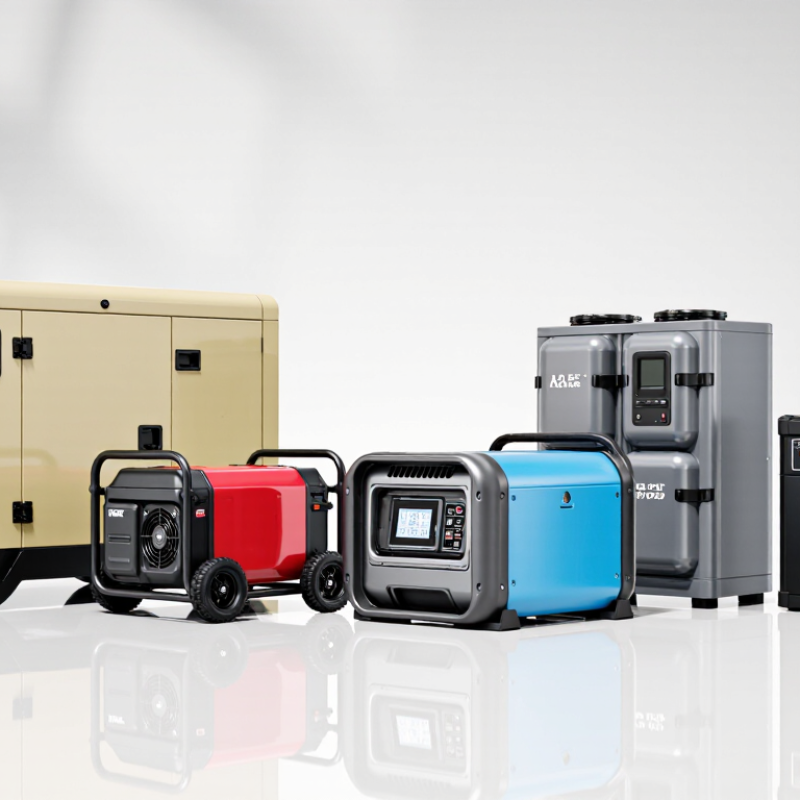
What Defines the Best Electric Generator in 2026?
What defines the best electric generator in 2026 is not maximum wattage. It is dependable performance under real household or jobsite conditions. The IEA’s Electricity 2024 report expects global electricity demand to grow by about 3.2% annually through 2026. That growth makes resilience more important, especially during peak demand and severe weather.
A strong generator should match continuous load, startup surge, runtime, noise, emissions, and power quality. The U.S. Energy Information Administration reported about 137 minutes of average annual interruption time in 2023, excluding major events. That is an average, not a promise. A practical choice should support essential loads for several hours, not merely advertise a large peak rating. For sensitive electronics, verify clean output and total harmonic distortion below 5%.
Testing matters more than brochures. Connect a refrigerator, circulation pump, lights, and communication equipment together. Measure startup demand with a clamp meter. Then test the generator at 25%, 50%, and 75% load. It should remain stable without harsh voltage swings or excessive heat. Fuel storage, cold starting, automatic transfer, and service access also deserve attention. NFPA 110 provides useful emergency-power guidance, but local electrical rules still require professional review. I would not call any generator perfect. Fuel availability, maintenance habits, and incorrect sizing can defeat excellent engineering.
How Different Generator Types Compare
What Is the Best Type of Electric Generator in 2026?
Generator choice depends on load, outage length, noise, and fuel access. No type wins every test. Portable gasoline units suit short outages and occasional outdoor work. They are affordable and easy to move, but stored fuel can degrade. Inverter generators usually run more quietly and deliver cleaner power for sensitive electronics. Their smaller fuel tanks limit long, heavy loads.
Diesel generators handle demanding equipment and extended operation well. They often offer strong durability, yet their weight, noise, and maintenance needs can discourage household users. Natural-gas standby systems start automatically and can run for long periods through a pipeline connection. However, severe storms may interrupt that supply. Battery energy storage is quiet, fast, and produces no onsite emissions. The IEA reported that battery demand across the energy sector reached about 750 GWh in 2023, rising roughly 40% from 2022. Still, batteries depend on charging access and may struggle with heating or pumps. The U.S. Energy Information Administration reported natural gas supplied about 43% of American utility-scale electricity in 2023, but local pipeline reliability remains the practical question.
Tips: Match continuous watts, not only starting watts. Measure your refrigerator, pump, heating system, and medical equipment separately. Choose an inverter for sensitive electronics. Choose diesel for repeated high-load work. A dual-fuel model adds flexibility, but extra controls can create another failure point. Test the system under load before an emergency. My own preference would change after one long winter outage.
Key Factors for Choosing a 2026 Electric Generator
What Is the Best Type of Electric Generator in 2026?
Choosing a 2026 electric generator starts with the load, not the advertised wattage. The International Energy Agency’s Electricity 2025 report expects global electricity demand to grow by about 4% annually through 2027. That pressure makes dependable backup power more valuable, especially for homes, workshops, and small facilities.
A portable inverter generator suits sensitive electronics and short outages. It usually runs quietly and produces cleaner voltage. A standby generator fits longer interruptions because an automatic transfer switch can restore power quickly.
Diesel models remain practical for heavy commercial loads, while gas-powered units may offer easier residential storage. Check running watts and starting watts separately. Refrigerators, pumps, and compressors can briefly demand twice or three times their normal power. That detail is easy to miss.
Fuel availability matters more than many buyers expect. The U.S. Energy Information Administration reported that natural gas supplied about 43% of utility-scale electricity generation in 2024, showing its continuing infrastructure importance. However, a local outage can also interrupt fuel delivery. Keep fuel rotation, ventilation, carbon-monoxide protection, and maintenance records in the plan. The National Fire Protection Association’s NFPA 110 standard emphasizes reliable emergency power systems, testing, and transfer equipment. Standards help, but they do not replace a site assessment.
The uncomfortable truth is that the “best” generator may still be undersized after future loads are added. Recheck your demand every year.
Best Generator Types for Home, Work, and Emergency Use
For home use, an inverter generator is often the quietest and cleanest choice. It adjusts engine speed as demand changes, saving fuel during small loads. This matters when a refrigerator cycles at night or a child is sleeping nearby. It also produces stable electricity for laptops, routers, and medical equipment. However, its smaller fuel tank may require frequent refilling during a long outage. Quiet power has limits.
A conventional portable generator suits workshops and demanding tools. Its stronger output can run saws, pumps, compressors, and heaters with heavy starting currents. Look for a rated wattage that exceeds your normal load by at least 20 percent. Measure real tool consumption instead of trusting guesswork. I once underestimated startup demand in a simple power plan; the breaker tripped repeatedly. That mistake was avoidable. Keep the unit outdoors, far from windows, doors, and vents, because carbon monoxide can become fatal quickly.
For emergency readiness, a dual-fuel generator offers useful flexibility. Gasoline may be easy to find, while propane stores longer in approved containers. A standby generator can power selected household circuits automatically, but installation requires qualified electrical work and local code compliance. Test any emergency system every few months. Check oil, cables, fuel condition, ventilation, and transfer equipment. A generator that sits untouched for years may fail when the freezer is full and the storm has already closed the roads.
How to Match Generator Features to Your Specific Needs
What Is the Best Type of Electric Generator in 2026?
The best generator depends on the equipment you need to run, not its advertised power. Begin with a load list. Record each appliance’s running watts and starting surge. A refrigerator may need modest running power but much more during startup. Add those figures, then keep a safety margin of about 20 percent.
An inverter generator suits sensitive electronics, camping, and quiet residential use. It adjusts engine speed, reducing noise and fuel consumption under lighter loads. A conventional portable generator may serve better for pumps, heaters, or demanding tools. It usually offers strong output, but can be louder and less fuel-efficient. For frequent outages, a standby system can start automatically and support selected household circuits. Installation should include a correctly rated transfer switch and qualified electrical work.
Fuel choice also matters. Dual-fuel models provide flexibility during extended interruptions, while gasoline is often easier for short-term use. Check runtime at a stated load, not only the tank size. Measure sound levels from the same distance. “Quiet” can mean very different things.
My first generator estimate was wrong because I counted running watts only. That mistake could overload the unit. I now test the largest motor load before an emergency. Leave clearance around the exhaust, operate outdoors, and use a working carbon monoxide alarm. Weather resistance is not waterproofing. Read the manual carefully, and verify independent performance data before buying.