How to Choose the Best Solar Path Lights for Your Garden?
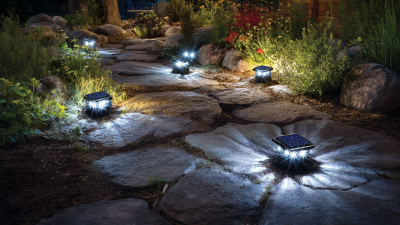
In recent years, Solar Path Lights have gained popularity among garden enthusiasts. These lights enhance outdoor spaces while providing safety and beauty. Choosing the right lights can be confusing due to numerous options available today.
Consider the style, brightness, and durability of the solar path lights. Some models have modern designs, while others offer a classic look. The brightness is crucial for visibility, especially in darker areas. Durability is also important; lights exposed to weather should be robust.
However, not all solar path lights perform equally. Some may not charge well in cloudy weather. Others might have short battery life. It's essential to read reviews and compare products before making a purchase. Look closely at features and consider what fits your needs best. Overall, selecting solar path lights can be both rewarding and challenging.
Factors to Consider When Choosing Solar Path Lights for Gardens
Choosing the right solar path lights involves several important factors. First, consider the brightness. Many options vary in lumens, affecting how well they illuminate your path. Opt for lights with between 20 to 100 lumens depending on your garden's needs. If your garden is larger or darker, higher lumens will help.
Another key factor is battery capacity. Solar lights rely on sunlight to charge. If you choose lights with smaller batteries, they may not last through the night. Larger batteries provide extended operation, especially during cloudy days. Look for lights that offer at least 6-8 hours of illumination after charging.
**Tip:** Select fixtures with adjustable heads. This allows you to change the angle of light. You can highlight certain features of your garden.
Lastly, consider the material and design. Lights made from durable materials will last longer. Plastic lights may fade quickly, while metal options resist weather better. Choose a design that fits your garden’s style. It’s worth reviewing your local climate, too. Extreme weather can affect performance and durability.
**Tip:** Always check for reviews on durability. Real user experiences help gauge long-term performance.
How to Choose the Best Solar Path Lights for Your Garden?
| Feature |
Consideration |
Recommended Value |
| Brightness |
Measured in lumens; higher lumens equals brighter light. |
80-200 lumens per light |
| Solar Panel Efficiency |
Percentage of sunlight converted to electricity. |
17% - 20% efficient |
| Battery Type |
Type of battery affects performance and longevity. |
Li-ion or NiMH |
| Weather Resistance |
Ability to withstand rain, snow, and extreme temperatures. |
IP65 rating or higher |
| Design |
Aesthetics and fit with garden style. |
Variety to match your garden decor |
| Installation |
Ease of setting up without professional help. |
Simple DIY installation |
Comparative Analysis of Solar Light Types: LED vs. Incandescent
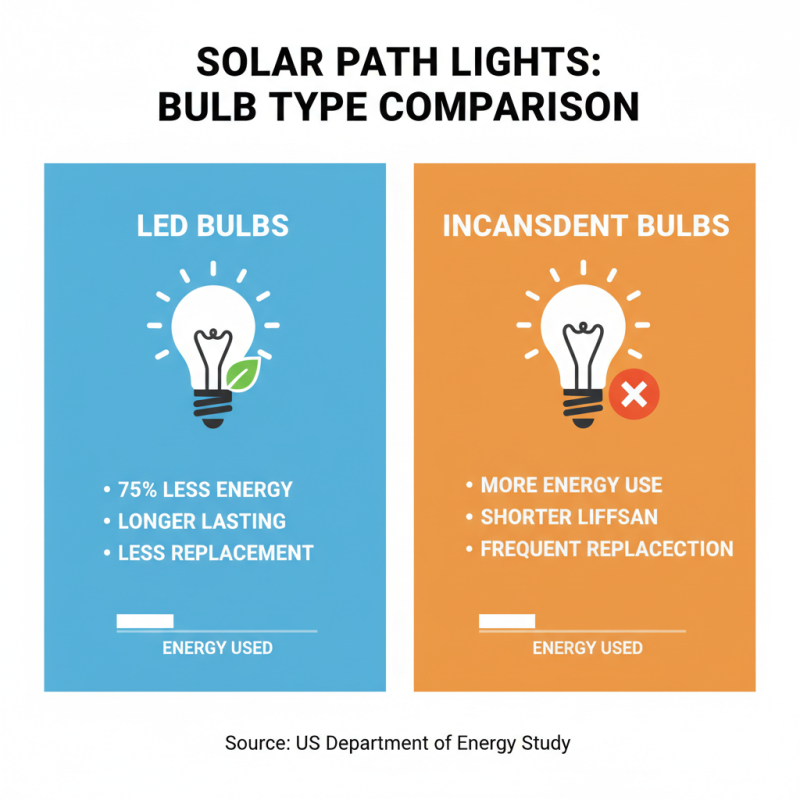
When choosing solar path lights, the type of bulb is crucial. Two main types are LED and incandescent. A study by the U.S. Department of Energy shows LEDs consume up to 75% less energy than incandescent bulbs. This efficiency results in longer-lasting lights, reducing replacement frequency.
LED lights typically provide brighter illumination with less power. They emit light in a specific direction, maximizing brightness where needed. In contrast, incandescent lights scatter light, decreasing their effectiveness in outdoor settings. However, some may prefer the warm glow of incandescent bulbs. Their aesthetic appeal can enhance garden ambiance, despite their higher energy costs.
The cost is another factor to consider. LEDs have a higher upfront cost but lower operating costs. Incandescent bulbs are cheaper initially but result in higher energy bills over time. It's essential to reflect on the balance between immediate budget versus long-term savings. Consider your garden’s design, as the right lighting can transform the space. The decision may depend on personal preference and priorities.
Brightness Standards: Lumens and Their Impact on Garden Aesthetics
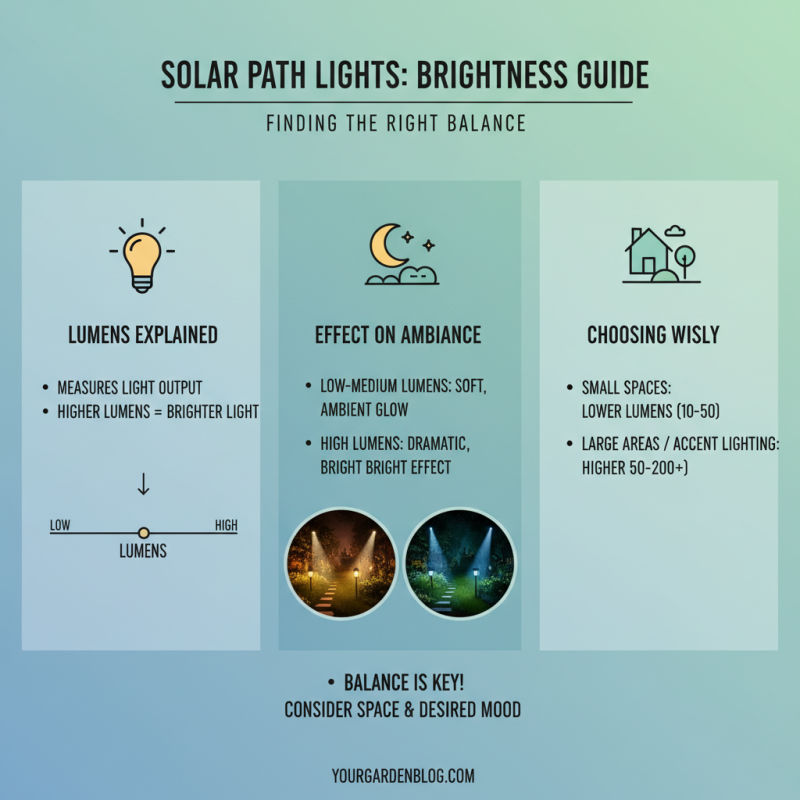
When choosing solar path lights, brightness matters significantly. Lumens measure the light output, influencing the ambiance of your garden. A higher lumen count means brighter lights. This can create a dramatic effect at night. However, too much brightness can overwhelm a small space. Striking a balance is essential.
Consider the atmosphere you want to create. Soft lighting adds warmth and invites relaxation. For pathways, focus on functional brightness. A range of 50-300 lumens is often suitable. Too dim may lead to safety hazards. Too bright can ruin tranquility. Experiment with different levels to find what feels right.
You might need to adjust your choices based on plant placement and other factors. Test lights in various spots before finalizing. Observe how shadows play in the night. The right brightness enhances garden features. Yet, it might lead to unintended glare. Reflect on your garden’s character. Good lighting should accentuate, not distract.
Battery Technology in Solar Lights: Lifespan and Efficiency Explained
When considering solar path lights for your garden, battery technology plays a crucial role. The most common batteries are nickel-cadmium (NiCd) and lithium-ion (Li-ion). NiCd batteries typically have a lifespan of about two years. In contrast, Li-ion batteries often last up to seven years. A report from the Solar Energy Industries Association shows that Li-ion batteries are also more efficient in terms of energy conversion.
The efficiency of solar lights largely depends on how they store energy. Poor battery performance can lead to dim lighting or frequent replacements. Moreover, extreme temperatures can affect battery longevity. For example, heat can damage NiCd batteries more rapidly.
**Tips: Choose solar lights with Li-ion batteries for longer life. Check the battery's temperature resilience. Regularly inspect your lights to avoid dimming.** Quality batteries can lead to significant savings over time. Investing in quality solar path lights is worth the cost for a vibrant garden landscape. You should not overlook how battery technology impacts your outdoor lighting experience.
Battery Technology in Solar Lights: Lifespan and Efficiency
Importance of Weather Resistance Ratings for Outdoor Solar Lights
When choosing solar path lights for your garden, weather resistance is crucial. Lights must endure rain, snow, or vibrations from winds. Check the IP (Ingress Protection) rating. A higher rating means better resistance to water and dust. For example, an IP65 rating indicates the light can withstand water jets. This feature is vital for longevity.
Not all lights perform well in adverse conditions. Some may look attractive but fail when tested. More durable materials like stainless steel or high-quality plastic can make a difference. They resist rust and discoloration. It often pays off to invest in lights built for the outdoors.
Also, consider local climate factors. If you live in an area with harsh winters or heavy rainfall, you need tougher options. Sometimes, seeking lights with replaceable batteries is wise. Batteries may weaken over time but can be replaced easily. Reflecting on your choices helps ensure your garden remains beautifully illuminated all year.