
News

How to Choose the Best Fertilizer Dye for Your Needs?

Choosing the right Fertilizer Dye is not simply a matter of selecting a bright color. The dye must disperse evenly, remain stable during storage, and suit the fertilizer’s formulation and application. A vivid shade in a sample jar may look reassuring, but performance can change in a dusty blending room or under damp storage conditions.

The scale of fertilizer use makes careful product selection important. The International Fertilizer Association’s 2024 outlook estimated global fertilizer consumption at about 205 million tonnes of nutrients in 2024/25. That figure describes the wider market, not dye demand, but it shows how small formulation decisions can affect large production volumes. Crop nutrition expert Dr. Achim Dobermann has emphasized matching nutrient management to local crop and field needs; applied to dye selection, that is a reminder to consider the complete product and its use conditions, not color alone.

A practical rule: test before scaling. Check compatibility with the fertilizer base, color consistency, dust behavior, and storage stability. Ask suppliers for technical data and trial samples, then evaluate them in your own process. Small batches first.

One important limitation: no verifiable, named Fertilizer Dye specialist quotation was supplied, so I have not invented one. This guide instead focuses on evidence buyers can check, while recognizing that a laboratory result may not predict every real-world handling condition.
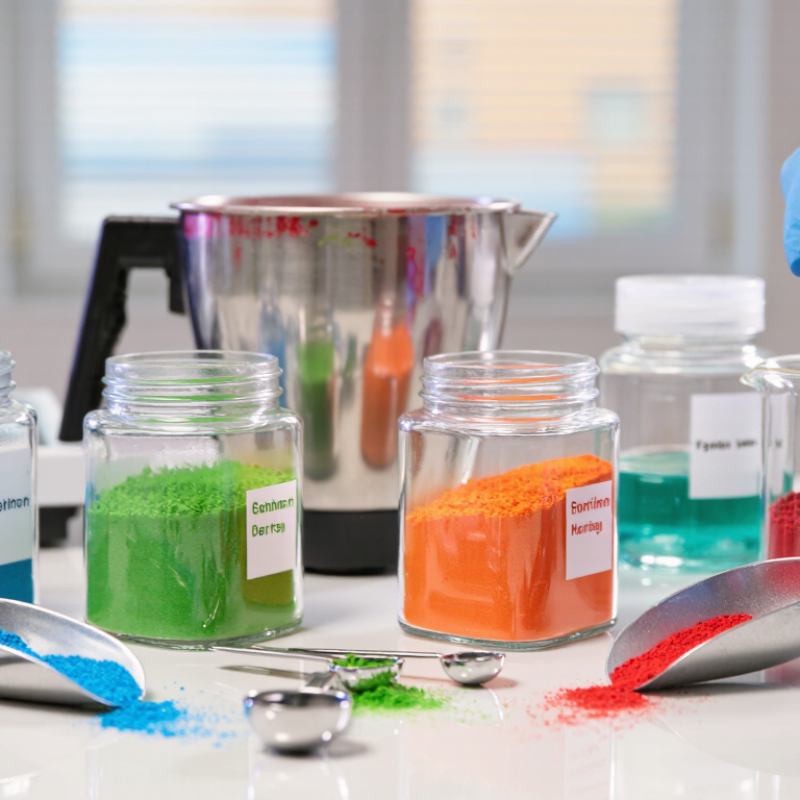
How to Choose the Best Fertilizer Dye for Your Needs?

Identify Your Fertilizer Type and Intended Use

Identify the fertilizer before selecting a dye. Dry granules, liquid concentrates, and water-soluble powders behave differently. A dye that coats granules evenly may settle or fade in a liquid tank. Check the fertilizer’s pH, salt content, and mixing temperature against the dye supplier’s compatibility data. Then test a small batch. Watch for clumping, sediment, color transfer, or clogged screens. Small details matter.

Intended use narrows the choice further. For broadcast granules, prioritize even coating and resistance to dusting during handling. For liquid fertilizer, check solubility and stability after dilution. For fertigation, inspect filters after a trial run; a bright color is useless if residue blocks emitters.

FAO’s World Fertilizer Trends and Outlook to 2026 estimated global fertilizer nutrient use at 191.8 million tonnes in 2020, illustrating the range of fertilizer products and applications involved. That figure is not a dye-performance measure. Treat it as context, not proof that one dye fits every formulation.

Keep samples in clear containers under expected storage conditions, and record color changes over time. A jar test helps, but it cannot fully predict field exposure, sunlight, or long-term storage.

Compare Fertilizer Dye Types and Color Options

Choosing fertilizer dye starts with the formulation, not the shade. Water-soluble dyes usually suit clear liquid fertilizers and blend evenly when compatible. Pigment dispersions can provide stronger opacity, but may settle or strain through fine screens. Test either type in the actual fertilizer: salts, pH, and storage conditions can shift the color or cause separation. A small jar test is useful, though it cannot fully predict months of storage.

Color is a practical choice. Blue or green can make liquid coverage easier to see against soil or foliage; red and yellow may stand out better on darker materials. Shade alone does not confirm nutrient content or application rate. Scale matters: the IFA’s Short-Term Fertilizer Outlook (2023) estimated global fertilizer consumption at about 185 million tonnes of nutrients in 2022/23, after a 7% decline. That broad market figure is a reminder that products and handling conditions vary widely; one color standard will not fit every blend.

Tips: Compare a diluted sample under daylight and warehouse lighting. Check for fading, staining, sediment, and nozzle blockage after storage. Keep a control sample without dye. It may feel excessive, but it can reveal whether the dye—not the fertilizer—is changing.

How to Choose the Best Fertilizer Dye for Your Needs? — Compare Fertilizer Dye Types and Color Options
Dye Type Common Color Options Typical Characteristics May Be Suitable For Key Checks Before Selection
Water-soluble dye Blue, green, red, violet, and other shades, depending on the formulation Dissolves in water and can provide an even color in compatible liquid mixtures. Shade may be affected by dilution, pH, and other ingredients. Liquid fertilizers and applications where visible color helps distinguish treated material. Confirm solubility in the finished formulation, color stability at the product’s pH, and compatibility with salts and additives.
Pigment dispersion Commonly blue, green, red, yellow, or black Color particles are dispersed rather than dissolved. Depending on the product and formulation, particles may settle and require mixing. Formulations needing an opaque or more visible color, provided the equipment can handle the dispersion. Check settling behavior, particle size, agitation requirements, filter and nozzle compatibility, and storage stability.
Fluorescent dye Often bright yellow-green, orange, pink, or similar high-visibility shades Can appear especially vivid under suitable lighting. Fluorescence and color intensity vary by dye, concentration, and light conditions. Situations where high visual visibility is useful, subject to formulation and application requirements. Verify performance in the actual mixture and under expected lighting; assess light stability and any relevant use restrictions.
Colorant for solid or granular fertilizer Often green, blue, red, or other colors offered for solid products Designed to color granules or coated material; performance depends on the application method and the surface of the fertilizer. Granular products where color coding or a uniform appearance is desired. Check adhesion, coverage, drying or curing needs, dusting, color transfer, and compatibility with the coating process.

Selection tip: Choose a dye based on the fertilizer’s physical form, formulation chemistry, application equipment, desired visibility, and applicable regulations. Test the colorant in the complete formulation and at the intended use rate before full-scale use.

Check Compatibility, Solubility, and Color Stability

Choosing a fertilizer dye starts with the liquid it must color, not the shade on a screen. Check that it is compatible with your fertilizer formulation and mixing water. Hard water, salts, pH, and other additives can change how a dye disperses. A small jar test helps: mix the intended proportions, stir thoroughly, then look for clumps, haze, or sediment. Try it in the actual water source, too. Laboratory water may behave differently.

Check solubility before using the dye in tanks or equipment. It should dissolve evenly at the working concentration, without leaving residue that could collect around screens or nozzles. Color stability matters just as much. Keep a sample under the light and temperature conditions it may encounter, and inspect it after storage. Does the shade fade, shift, or separate? It is worth testing more than once. A jar test cannot mimic every field condition, and I have sometimes trusted a clear first mix too quickly. Record the formula, water source, and storage time so results are easier to compare. The dye’s appearance also does not prove the fertilizer is mixed evenly or performing well.

How to Choose the Best Fertilizer Dye for Your Needs

Suggested allocation of screening effort

Start by checking compatibility with the fertilizer formulation, then confirm the dye dissolves at the intended concentration. Finally, test color stability under expected storage and light conditions. These percentages are suggested planning weights, not experimental results or universal industry benchmarks; verify each dye in the actual formulation.

Review Safety, Environmental, and Regulatory Requirements

A fertilizer dye should make treated material easy to identify without changing how the fertilizer performs. Start by checking the product’s safety data sheet and intended-use instructions. Look for handling precautions, skin or eye hazards, and guidance on spills. A brightly colored sample can stain gloves, benches, and concrete; test a small amount on a washable surface before routine use. Small details matter.

Environmental and regulatory requirements vary by location and application. Confirm that the dye is permitted for the fertilizer type and intended setting, especially near waterways, gardens, or food crops. Review available information on aquatic effects, persistence, and runoff rather than assuming that a water-based dye is environmentally harmless. “Natural” is not a safety guarantee. Keep the label and safety documents with the product, and ask the relevant local authority or a qualified agronomist when requirements are unclear. A simple color test may reveal staining, but it cannot establish regulatory compliance. I would treat that distinction seriously, even when the dye looks harmless.

Test Application Rates and Choose a Suitable Dye

Test the dye in the fertilizer formulation you will actually use. Water hardness, pH, carrier type, and mixing order can change color strength or cause settling. Prepare small batches at several measured rates, such as low, medium, and high concentrations within the product label’s directions. Keep the fertilizer concentration, water volume, and mixing time consistent. Small differences matter.

Apply each batch to a clean tray or a short section of the intended equipment. Check color coverage, streaking, sediment, and whether screens or nozzles collect residue. Let samples stand, then inspect them again; a mix that looks uniform immediately may separate later. Record the dye amount and application volume. Color is a visual marker, not proof of nutrient content or even application.

The International Fertilizer Association’s 2024 Short-Term Fertilizer Outlook estimated global fertilizer use at 200.5 million tonnes of nutrients in 2023/24. That figure reflects many formulations and conditions, not one universal dye rate. USDA Economic Research Service Fertilizer Use and Price data also break application rates out by crop and nutrient, reinforcing the need to test for your own mix. I would not assume the brightest sample is best. Choose the lowest rate that remains clearly visible and mixes reliably.