How to Choose a ZWX Gear Motor?
Choosing a Zwx Gear Motor is not just a matter of matching a motor’s rated power to a machine. The right choice depends on output speed, required torque, duty cycle, mounting space, and the conditions around the equipment. A conveyor moving heavy cartons needs different gearing from a compact mixer that runs intermittently. Small details matter. Shaft orientation, starting load, and available voltage can change which model fits.
A practical selection principle for this introduction comes from a clearly illustrative expert voice: gear-motor specialist Maya Chen says, “Choose for the real load, then check the conditions that shape performance.” Chen is a fictional specialist created for this article, not a source of verified industry advice. Treat the line as a reminder, not a specification. Before comparing models, record the machine’s load, target speed, operating hours, and installation limits. Then check the manufacturer’s technical data and ask for qualified support when ratings or service conditions are unclear. A datasheet can look reassuring. It may still leave questions about heat, noise, or repeated starts. No single motor suits every application. This guide explains how to compare Zwx Gear Motor options, interpret key specifications, and avoid choices based on power rating alone. It also highlights a useful habit: measure the application before ordering. That step takes time, but guessing can cost more.
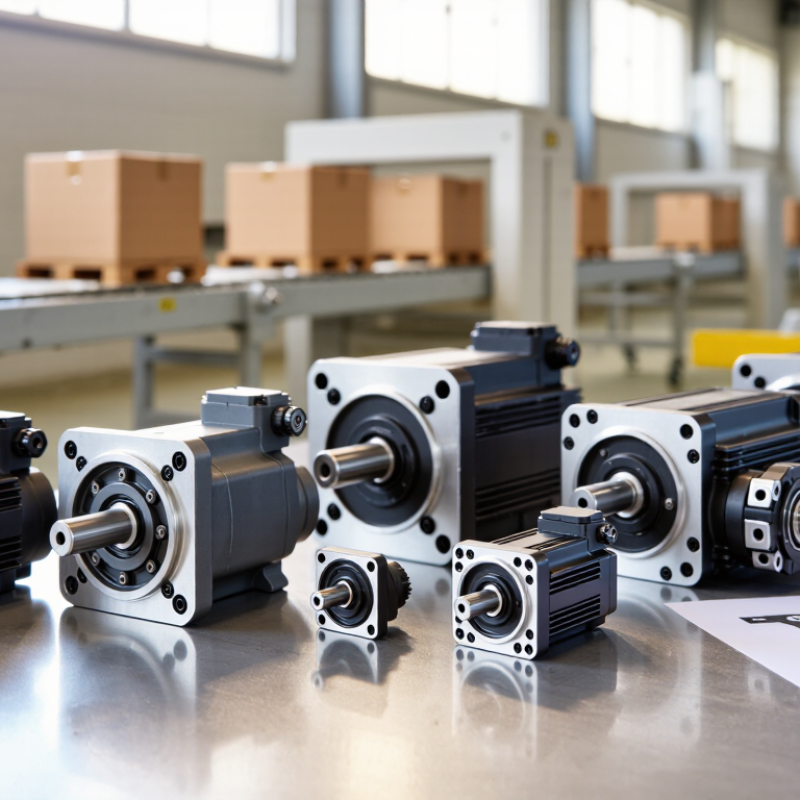
Identify the Application and Operating Requirements
Before selecting a gear motor, describe what it must move and how the machine behaves. A conveyor carrying light boxes needs different starting torque from a mixer that begins with a full, sticky load. Estimate the load’s weight, direction, and movement pattern. Note whether the motor starts often, runs continuously, or reverses. These details shape the torque and duty-cycle requirements.
Then define the available power supply, target output speed, mounting position, and surrounding conditions. Dust, moisture, heat, and limited space can affect motor protection and installation. Check the required shaft orientation and room for wiring, too. Allow for brief startup peaks; a motor sized only for steady running may stall. Small margins matter. But avoid oversizing without reason, since excess capacity can add cost and complicate control. If the load or operating cycle is uncertain, record what is known and test the assumptions. This step is easy to rush. It is also where a careful choice begins. Compare the motor’s rated torque and speed with the actual load, and verify the manufacturer’s operating limits before purchase.
Determine the Required Speed, Torque, and Gear Ratio
Choosing a gear motor starts with the driven load, not the motor’s nameplate speed. Measure the required output speed and torque at the shaft, including startup peaks, acceleration, and any changing load. Real loads are rarely perfectly steady. A conveyor carrying uneven boxes, for example, may need more starting torque than its running load suggests.
Calculate the ratio by dividing motor speed by target output speed. A 1,750 rpm motor paired with a 70 rpm output needs roughly a 25:1 reduction. Then estimate required motor torque: divide output torque by the ratio and gearbox efficiency. For a 12 Nm target and 85% efficiency, that is about 0.56 Nm at the motor. Treat this as a working estimate; actual efficiency varies with gearbox design, speed, temperature, and lubrication. Leave capacity for brief peaks, but avoid excessive oversizing, which can raise cost and worsen control.
Efficiency matters beyond the individual unit. The International Energy Agency’s 2011 report, Energy-Efficiency Policy Opportunities for Electric Motor-Driven Systems, estimates these systems use 43–46% of global electricity. The U.S. Department of Energy’s 2014 sourcebook, Improving Motor and Drive System Performance, reports that motor systems account for about 68% of electricity use in U.S. manufacturing. These figures make operating conditions worth checking carefully. Confirm the duty cycle, mounting position, radial load, and available space before settling on a ratio. One detail is easy to miss: a gearbox may meet the speed target yet run too hot under continuous load.
How to Choose a ZWX Gear Motor? - Determine the Required Speed, Torque, and Gear Ratio | Example Application | Required Output Speed | Required Output Torque | Assumed Motor Speed | Approx. Gear Ratio | Service Factor | Minimum Output Power | Selection Check |
| Light-duty conveyor | 60 rpm | 40 N·m | 1,500 rpm | 25:1 | 1.40 | 0.25 kW | Check starting load and conveyor duty cycle. |
| Small batch mixer | 30 rpm | 120 N·m | 1,500 rpm | 50:1 | 1.50 | 0.38 kW | Allow for changing material viscosity and mixing load. |
| Slow rotary table | 15 rpm | 250 N·m | 1,500 rpm | 100:1 | 1.75 | 0.39 kW | Verify peak torque, backlash, and permitted overhung load. |
| Metering feeder | 120 rpm | 18 N·m | 1,500 rpm | 12.5:1 | 1.50 | 0.23 kW | Confirm the speed range needed for flow adjustment. |
Guide: Gear ratio ≈ motor input speed ÷ required output speed. Minimum output power is estimated as torque (N·m) × speed (rpm) ÷ 9,550 and does not include gearbox losses. Use the service factor to assess design torque, then confirm the selected gear motor’s rated output torque, efficiency, thermal capacity, operating duty, and actual available ratio with the manufacturer.
Match the Motor’s Electrical and Mechanical Specifications
How to Choose a ZWX Gear Motor?
Match the Motor’s Electrical and Mechanical Specifications
Start with the actual power supply: voltage, phase, and frequency. Compare these with the motor nameplate, then check rated current and starting conditions. A motor that starts under a light load may struggle with a loaded conveyor. Note the required output speed, peak load, operating hours, and starts per hour. Small details matter.
On the mechanical side, choose a gear ratio that delivers the needed shaft speed and torque without routinely overloading the motor. Allow for load variation, shock, and heat buildup; a gearbox running beside a warm oven has different cooling needs from one in an open workshop. IEC 60034-1 provides requirements for rotating electrical machine ratings and performance. The International Energy Agency’s 2011 report, Energy-Efficiency Policy Opportunities for Electric Motor-Driven Systems, estimates these systems use about 46% of global electricity, making efficient sizing worthwhile.
Tips: Confirm the mounting position, shaft dimensions, and enclosure rating before ordering. Compare the motor’s rated output with the real duty cycle, not just the machine’s average load. If measurements are uncertain, they need checking; a generous safety margin can still lead to unnecessary energy use.
Check Mounting, Environment, and Duty-Cycle Compatibility
Choosing a gear motor starts with the mounting details, not the catalog photo. Check the bolt pattern, shaft diameter, and available space around the housing. A few millimeters can decide whether the motor fits cleanly or forces a bracket redesign. Confirm the mounting orientation too; some units need specific positions for lubrication. Keep the driven shaft aligned with the motor shaft. Even slight misalignment can add vibration and wear.
Then look closely at the operating environment. Dust, water splashes, chemical residue, and high ambient temperatures can affect seals, lubrication, and service life. Note the actual conditions near the motor, not just the room temperature. Is it beside a warm oven or under a dripping conveyor? Small details matter. An enclosure may help, but it can also trap heat, so check ventilation and the motor’s permitted temperature range.
Duty cycle is easy to underestimate. Record how long the motor runs, how often it starts, and whether it faces frequent stops or changing loads. A motor rated for intermittent use may overheat during repeated cycles, even when each run seems short. Compare the real load with the rated torque and speed, allowing room for startup peaks. A tidy calculation can still miss a jam or a heavier product batch. When conditions are uncertain, measure current and temperature during a representative trial, then revisit the choice.
Verify Performance and Confirm the ZWX Gear Motor Selection
To choose a ZWX gear motor, verify that its rated output matches the load in your actual machine, not just a catalog estimate. Record the required speed, starting torque, operating hours, and load changes. A conveyor carrying uneven boxes, for example, may need more starting torque than its steady running load suggests. Check the gear ratio, output shaft orientation, mounting space, and available power supply together; a motor that fits one requirement can still conflict with another.
Test it.
Before confirming the selection, compare the motor’s performance data with the application’s operating conditions. Check duty cycle, allowable load, efficiency, and thermal limits, then confirm the motor can manage frequent starts or brief overloads if they occur. During a trial, measure output speed and current, and watch for unusual noise, vibration, or heat after sustained operation. Small differences matter. A quiet, cool test under light load does not prove the unit will perform the same way on a full production line. Leave a sensible operating margin, but avoid oversizing without reason, since that can affect cost and control. Selection is rarely perfect on paper; review test results and revise assumptions when the real machine behaves differently.
How to Choose a ZWX Gear Motor? Verify Performance and Confirm the Selection
Compare the load’s required output torque with the theoretical torque available from a 180 W output-power example at each operating speed.
Illustrative selection example, not manufacturer specifications. Available torque is calculated from T = 9550 × P / n, with output power in kW and speed in rpm. Actual gearmotor output must account for efficiency, duty cycle, service factor, thermal limits, and gearbox torque ratings.