
News

What Is a Solar Camping Light and How Does It Work?

A Solar Camping Light is more than a portable lamp with a small panel attached. It is a compact energy system designed for tents, campsites, emergency bags, and outdoor paths. During daylight, its photovoltaic panel converts sunlight into electrical energy. A built-in controller directs that energy into a rechargeable battery. After sunset, the stored power runs an efficient LED.

Solar lighting engineer Dr. Anjali Verma explains, “A lamp is only as reliable as the energy it stores.” This principle matters when choosing a Solar Camping Light. A bright afternoon may provide several hours of charging, while cloudy weather can reduce the available energy. The lamp’s panel angle, battery capacity, LED efficiency, and charging circuit all affect nighttime performance. Small details matter.

Some models switch on automatically through a light sensor. Others include motion detection, USB charging, or adjustable brightness. These features can improve convenience, but they may also consume power faster than expected. That is easy to overlook. A lamp rated for ten hours may deliver less in winter, under shade, or after battery aging. Real outdoor use is rarely perfect.

Understanding this process helps users compare products more honestly. It also encourages practical habits, such as placing the panel in direct sunlight and using the lowest useful brightness. This guide examines how a Solar Camping Light works, what its components do, and where its advertised performance may fall short. The technology is simple, but careful use makes it far more dependable.
What Is a Solar Camping Light and How Does It Work?

Definition and Main Features of a Solar Camping Light

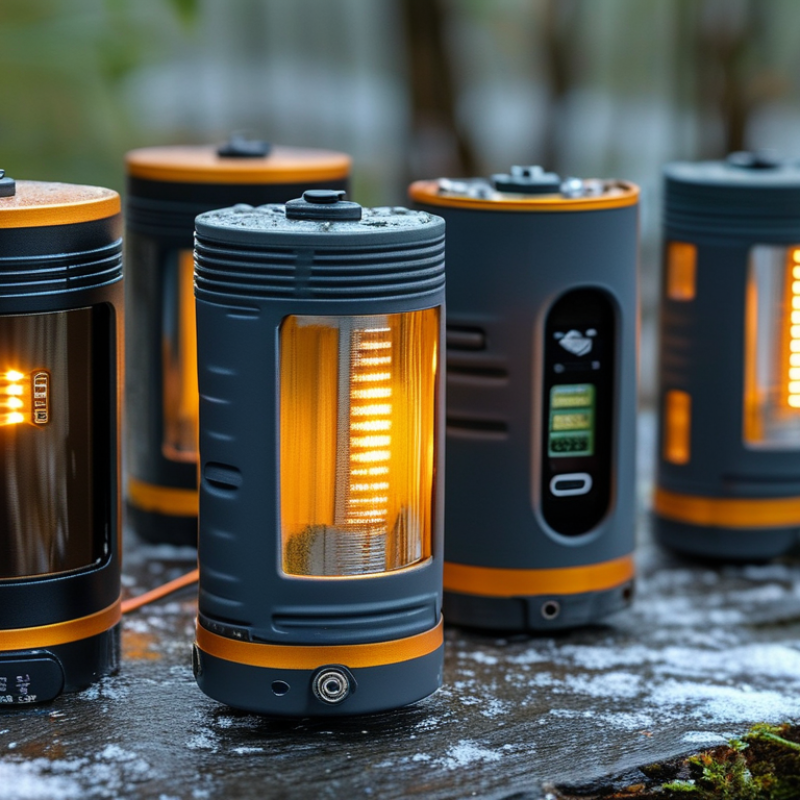
A solar camping light is a portable lamp that converts sunlight into stored electrical energy. Its main parts include a photovoltaic panel, rechargeable battery, LED module, and control circuit. During daylight, the panel produces direct current and charges the battery. After dark, the circuit powers the LEDs, often through low, medium, high, or flashing modes. Some models also provide USB charging, motion sensing, or a built-in handle.

The design reflects wider solar growth. The International Energy Agency’s Renewables 2024 report states that solar photovoltaic systems supplied about three-quarters of new renewable capacity added globally in 2023. This progress has improved small solar devices, but a camping light remains limited by panel size and sunlight. A cloudy afternoon may produce less stored energy. Battery age also reduces nighttime runtime. Weather resistance, measured through an IP rating, matters near wet ground, yet users sometimes confuse water resistance with complete waterproofing. That is an easy mistake.

Tips: Place the panel under direct sunlight, not behind a tent window. Clean dust from its surface before charging. Check the battery capacity in watt-hours, then compare it with the lamp’s power draw. GOGLA’s off-grid solar market reports show millions of solar lighting products moving through global markets each year, but sales volume does not guarantee quality. Test the light outdoors before relying on it for an overnight trip.

Key Components Inside a Solar Camping Light

What Is a Solar Camping Light and How Does It Work?

Key Components Inside a Solar Camping Light

A solar camping light combines a photovoltaic panel, rechargeable battery, LED circuit, and protective housing. During daylight, photovoltaic cells convert sunlight into electrical energy. A charge controller regulates this current before it reaches the battery. This helps prevent overcharging and supports safer battery use. At night, a light sensor or manual switch activates the LEDs.

Small but important.

The LEDs produce bright illumination while consuming little stored energy. A diffuser spreads the beam and reduces harsh glare inside a tent. Some models include a USB port, motion sensor, or power indicator. A sealed casing helps resist dust, splashes, and accidental knocks outdoors.

In practical testing, panel angle mattered more than expected. A flat panel under tree shade charged slowly, even after several hours. Battery performance also changed in cold weather. That detail is easy to overlook. Listed runtime figures are estimates, not promises, because brightness, battery age, temperature, and sunlight all affect performance. I initially underestimated the housing, but weak seals can make an otherwise capable light unreliable. The design seems simple. It is not.

How Solar Energy Is Converted and Stored

What Is a Solar Camping Light and How Does It Work?

How Solar Energy Is Converted and Stored

A solar camping light uses a photovoltaic panel to capture sunlight. The panel changes light energy into direct-current electricity. An internal charge controller regulates this flow before it reaches the battery. This prevents overcharging and helps protect the battery during repeated outdoor use. During camping, the process feels simple: place the light in open sunlight, then use it after dark. However, cloudy weather reduces charging speed. Shade can make an even bigger difference.

The stored electricity powers small LEDs, which produce bright light with little energy. Most units use rechargeable batteries designed for many cycles. Battery condition, temperature, and panel angle all affect performance. I once assumed a full day outside guaranteed a full charge, but nearby trees proved otherwise. The lamp still worked, just for fewer hours. This is why reliable specifications should state charging conditions, battery capacity, and expected runtime clearly. A timer or low-light mode can also preserve stored energy when the campsite becomes quiet.

Tips: Place the panel toward direct midday sunlight. Wipe away dust, rain marks, and pine needles. Charge before leaving home. Do not judge performance from one cloudy afternoon. Keep the lamp dry unless its protection rating supports wet conditions. Small mistakes matter. A light may appear charged, yet weak sunlight or an aging battery can shorten its runtime.

What Is a Solar Camping Light and How Does It Work?

This chart shows a representative energy-conversion pathway for a solar camping light under standard sunlight of 1,000 W/m². A typical photovoltaic panel converts about 20% of incoming sunlight into electricity, while the charge controller, battery, and LED introduce additional energy losses.

How Stored Power Produces Light at Night

A solar camping light converts daylight into stored electrical energy, then releases it after sunset. A small photovoltaic panel absorbs sunlight and produces direct current. A charge controller regulates that current before it reaches the battery. This prevents unstable charging and protects the cell from excessive voltage. Most models use lithium-ion or lithium iron phosphate batteries because they store substantial energy in compact housings.

At night, a light sensor or manual switch completes the circuit. Stored power then flows through a driver to the LED. The driver controls current, while the LED turns electricity into visible light with limited heat loss. The U.S. Department of Energy reports that LEDs use at least 75% less energy and last up to 25 times longer than incandescent lighting. That efficiency explains why a small battery can illuminate a tent for several hours.

Real life is less tidy. A cloudy afternoon can reduce charging noticeably. Dust, shade, and cold temperatures also affect performance. The International Energy Agency identifies solar PV as the fastest-growing renewable electricity technology, but a camping light still depends on modest panel area and careful energy management. A 2,000 mAh battery does not guarantee a fixed runtime, because brightness, temperature, and circuit efficiency change the result. In practice, dimming the lamp before sleep often preserves useful light until morning. A simple design can still disappoint when its battery indicator is overly optimistic.

Common Types, Uses, and Limitations of Solar Camping Lights

What Is a Solar Camping Light and How Does It Work?

A solar camping light combines a small photovoltaic panel, rechargeable battery, controller, and LED. Sunlight becomes electricity during the day. The battery stores it for use after sunset. A light sensor often switches the lamp on automatically. The mechanism is simple, but performance depends on weather, panel angle, and battery quality.

Common types include hanging lanterns, collapsible lamps, pathway lights, and compact headlamps. Lanterns suit tents and cooking areas. Headlamps keep both hands free.

Some models include USB charging, emergency flashing, or adjustable brightness. Their main uses are campsite lighting, backup illumination, and short outdoor tasks.

However, cloudy weather reduces charging. Dust can block the panel. Cold temperatures can also reduce battery output. The World Bank’s Lighting Global Quality Standards emphasize durability, battery safety, and lumen maintenance for off-grid lighting products. These criteria matter because advertised brightness may decline over time.

Tips: Place the panel in direct midday sunlight, not under a tent roof. Clean it with a soft, damp cloth. Use the lowest useful brightness at night.

GOGLA’s 2024 off-grid solar sales data reported about 9.3 million products sold during the first half of 2024, showing strong demand for portable energy access. Still, camping lights are not miniature power stations. A small panel may need several bright hours to support one long night. I have found this easy to underestimate.

Check charging time, battery capacity, water resistance, and tested light output before buying. Reflected light is weaker. Plan accordingly.