News

What Are Solar Yard Lights and How Do They Work?

After sunset, Solar Yard Lights turn stored daylight into a small, practical pool of illumination. A photovoltaic panel captures sunlight and converts it into electricity. During the day, that energy charges a rechargeable battery. At dusk, a light sensor or controller typically switches on the LED. Simple in principle. Real performance depends on panel exposure, battery condition, weather, and the hours of darkness. A shaded corner can leave a light dim by midnight.

The wider solar industry offers useful context, though it does not measure yard-light performance directly. The International Energy Agency’s Renewables 2023 report estimated nearly 510 gigawatts of renewable capacity additions worldwide in 2023, with solar PV accounting for about three-quarters. IEA Executive Director Fatih Birol described the wider shift with the words, “Solar is the new king of electricity.” That remark concerns the global power sector, not garden lamps, so it should not be mistaken for a product claim. Still, it helps explain why compact solar technology has become familiar in everyday settings.

For homeowners, the useful question is not merely whether a light is solar-powered. It is how much sunlight its panel receives, how its battery stores energy, and how consistently its LED delivers light after dusk. Small details matter. Specifications can be optimistic, and winter performance may disappoint. Understanding the components—and their limits—makes it easier to choose and place Solar Yard Lights with realistic expectations.
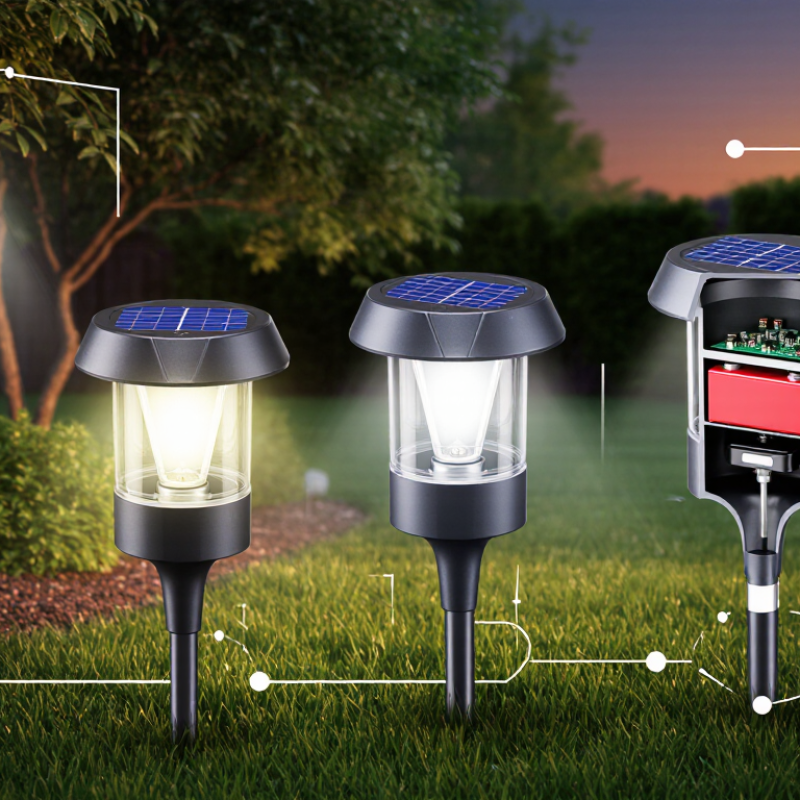
What Are Solar Yard Lights and How Do They Work?

What Solar Yard Lights Are and Where They Are Used

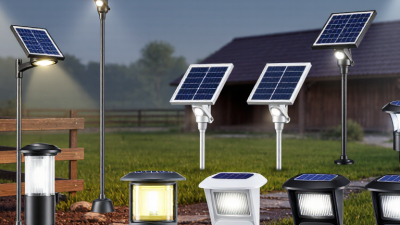
Solar yard lights are outdoor fixtures that collect sunlight by day and provide light after dark. A photovoltaic panel converts sunlight into electricity, which charges a rechargeable battery. A light sensor typically switches the LEDs on at dusk and off at dawn. No buried power cable is needed. The panel may be built into the fixture or placed nearby, depending on the design. Common forms include path stakes, wall lights, spotlights, and decorative lanterns.

These lights are used along garden paths, beside driveways, around patios, and near sheds or fences. They can mark steps and edges, or add modest light to seating areas. For brighter coverage, users often place several fixtures rather than relying on one small lamp. Shade matters. A panel under dense branches may collect too little sunlight, especially in winter. The International Energy Agency’s Renewables 2024 report recorded about 420 gigawatts of new solar photovoltaic capacity worldwide in 2023. That figure describes the wider solar industry, not yard-light sales, but it shows the technology’s growing reach. In practice, performance still depends on panel exposure, battery condition, and local weather. Placement is easy to misjudge.

The Main Components of a Solar Yard Light

The Main Components of a Solar Yard Light

A solar yard light usually contains a photovoltaic panel, a rechargeable battery, an LED, a control circuit, and a protective housing. Each part has a specific job. The panel converts daylight into electrical energy, even on bright but cloudy days, though output may be lower. At dusk, a light sensor signals the circuit to power the LED. Small parts matter.

The rechargeable battery stores energy collected during the day. Many lights use lithium-based or nickel-metal hydride batteries, and their capacity affects how long the lamp stays on. A charge controller manages energy moving between the panel and battery. It helps prevent overcharging and supports steady operation. In some models, a motion sensor changes the light’s behavior when someone walks nearby.

The LED produces light while using relatively little energy. The housing shields internal parts from rain and dust, and a stake or mounting bracket holds the light in place. A clear panel lets sunlight reach the cells, but dirt, leaves, or shade can reduce charging. Placement matters. A lamp tucked under a tree may look well positioned, yet receive too little direct sun. Battery performance also tends to decline with age, so a shorter run time does not always mean the panel has failed. That distinction is easy to miss.

What Are Solar Yard Lights and How Do They Work? - The Main Components of a Solar Yard Light

Solar yard lights collect sunlight during the day, store energy in a rechargeable battery, and use that energy to power LEDs after dark. A light sensor and control circuit typically manage automatic operation.

Component What It Does Typical Characteristics How It Works with the Other Parts
Solar panel Converts sunlight into electrical energy. Usually a small photovoltaic panel made from crystalline silicon; output depends on panel size, sunlight, angle, and shading. Sends electricity to the charging circuit, which replenishes the battery during daylight.
Rechargeable battery Stores energy collected by the solar panel for use after sunset. Common types include nickel-metal hydride (NiMH) and lithium-ion cells; capacity and runtime vary by design. Supplies stored power to the LED when the control circuit switches the light on.
LED Produces the visible light used to illuminate a path, garden, or outdoor feature. Light output is commonly specified in lumens; brightness, color temperature, and beam spread vary by model. Uses electrical energy from the battery and is switched or regulated by the control circuit.
Control circuit Manages charging and directs power to the LED. May include charge-control and light-sensing functions; circuit features differ among designs. Helps prevent unsuitable charging conditions and coordinates the transition between daytime charging and nighttime lighting.
Light sensor Detects changes in ambient light so the lamp can operate automatically. Often a photodiode or photoresistor integrated with the control circuit. Signals the circuit to turn the LED on in low light and off, or reduce its output, when daylight returns.
Housing and light cover Holds and protects the electrical parts and helps direct or diffuse the light. Materials and weather resistance vary; outdoor suitability is often described by an ingress protection (IP) rating. Shields components from outdoor exposure while allowing light to pass through the lens or diffuser.
Stake or mounting hardware Positions and secures the light in the garden or along a path. May be a ground stake, base, bracket, or wall mount, depending on the light design. Keeps the panel and lamp in place; an unobstructed, sun-exposed position helps support charging.

Actual brightness and nightly runtime depend on the panel, battery condition, available sunlight, weather, season, and operating mode.

How Solar Panels Convert Sunlight into Stored Energy

Solar yard lights use a small photovoltaic panel to turn daylight into electrical energy. Sunlight carries photons, which release electrons inside the panel’s semiconductor material. The resulting direct current travels through a charge controller and replenishes a rechargeable battery. At night, a light sensor signals the circuit to power the LEDs from that stored energy. The panel does not store sunlight; the battery stores energy chemically.

Efficiency varies with panel material, angle, shade, and temperature. NREL’s Best Research-Cell Efficiency Chart records crystalline-silicon research cells above 27% efficiency under laboratory conditions. That is a research benchmark, not a promise for a compact garden-light panel. Real life is less neat: dust, a fence shadow, or several cloudy days can reduce charging. A well-positioned light may still dim before dawn when its battery is small or partly aged.

Tips: Wipe the panel with a soft, damp cloth, and place it where direct sun reaches it for several hours. Check the battery after a season; reduced runtime may reflect wear, not a faulty panel. In winter, shorter days mean less stored energy. (Source: NREL, Best Research-Cell Efficiency Chart.)

How Stored Energy Powers the Light After Dark

Solar yard lights turn daylight into stored electrical energy, then use that energy after sunset. A small photovoltaic panel on each light absorbs sunlight and produces electricity. Wires carry it to a rechargeable battery, often tucked inside the housing or beneath the panel. The battery stores a modest amount, not an unlimited supply. That distinction matters.

During the day, a charging circuit helps regulate the energy flowing into the battery. When the surrounding light level falls, a sensor signals the circuit to power the LED. The LED needs far less electricity than many older bulbs, so a compact battery can keep it glowing for several hours. The transition is usually automatic. No switch is needed each evening.

Runtime depends on the charge collected, the battery’s condition, and the light’s settings. A panel shaded by a fence or covered with dust may gather less sunlight. Short winter days can also leave less energy for nighttime use. One easy detail to overlook: the light may work perfectly while still shining dimly near dawn. That is not always a fault; the stored charge may simply be running low. Keep the panel exposed and clean, and allow a new light time to charge fully before judging its performance. A cloudy stretch can make results uneven. It happens.

Factors That Affect Solar Yard Light Performance

What Are Solar Yard Lights and How Do They Work?

Factors That Affect Solar Yard Light Performance

Solar yard lights collect daylight through a photovoltaic panel, store electricity in a battery, and power an LED after dusk. Their real-world performance depends on daily sunlight, not just the panel’s advertised wattage. Shade matters. A tree branch or fence can block direct light, while winter’s shorter days leave less time to recharge. NREL’s PVWatts technical documentation uses a temperature coefficient of about −0.37% per °C for a typical crystalline-silicon module. This estimate describes the module, not a complete light, but it shows why a hot panel may generate less electricity. Panel angle, dust, and nearby reflective surfaces also affect the energy collected.

The battery determines how much stored energy is available overnight. Cold conditions can reduce battery output, and repeated charge cycles gradually wear batteries down. LED efficiency matters too: the U.S. Department of Energy reports that LEDs use at least 75% less energy than incandescent lighting. That comparison is not a guarantee for any particular yard light, though. Lens design, LED placement, and dirt on the cover all affect how much useful light reaches a path. I would not judge reliability from one bright evening. Check the light after several cloudy days, and note whether it dims before dawn. Small panels can struggle in shaded gardens; that limitation is easy to overlook.