Top 5 Tips for Choosing the Best Solar Tree Lights?
When considering outdoor decor, Solar Tree Lights can transform your space. They blend beauty and functionality, adding charm to gardens or patios. However, selecting the right solar lights can be overwhelming. The market is flooded with options that vary in quality and design.
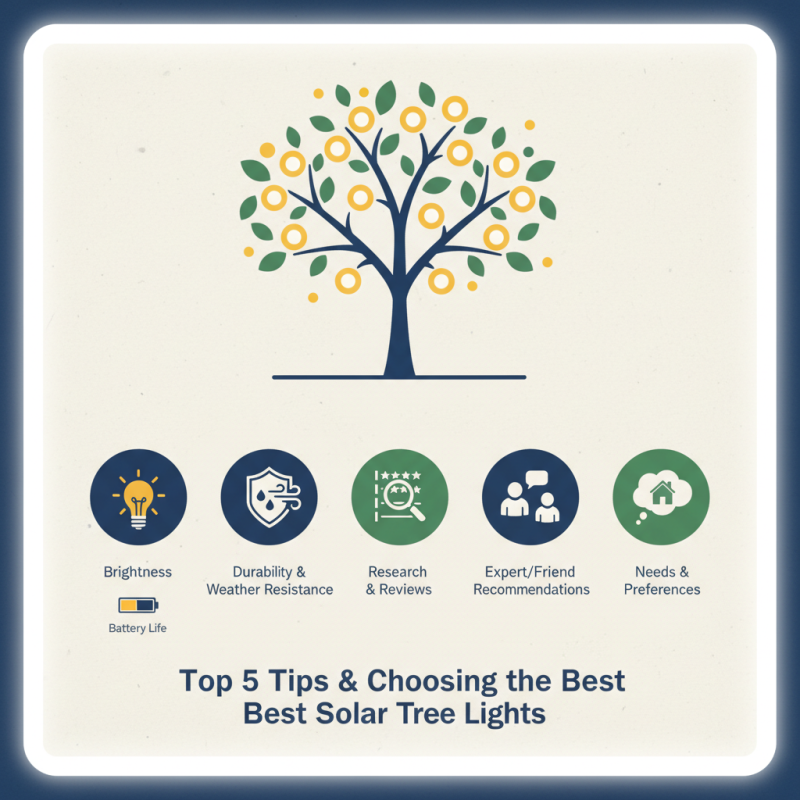
Choosing the best Solar Tree Lights requires some thought. You want lights that not only look good but also perform well. It's essential to consider the brightness and battery life. Solar lights should also withstand outdoor conditions. Some lights may claim durability, yet fail in rain or wind.
Research is crucial when making a decision. Read reviews, and prefer models with good ratings. Consulting experts or knowledgeable friends might help too. The right choice enhances your outdoor experience while providing reliable illumination. Reflecting on your needs and preferences will lead to a satisfying purchase.
Understanding the Different Types of Solar Tree Lights Available
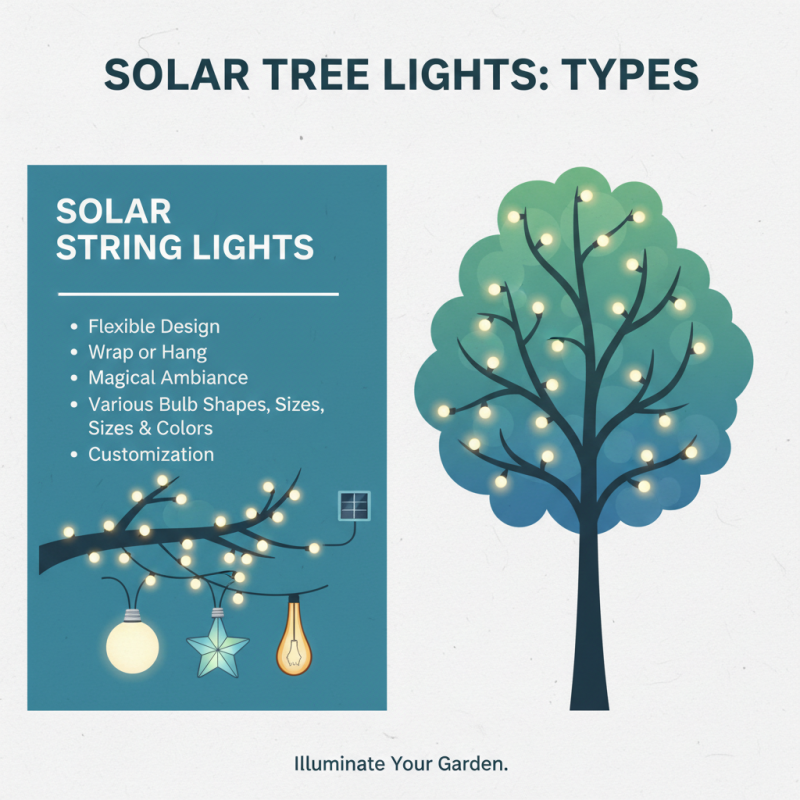
When selecting solar tree lights, it's essential to understand the different types available. Solar string lights are popular, providing flexibility in design. They can wrap around branches or hang down, creating a magical ambiance. These lights come with various bulb shapes, sizes, and colors, allowing endless customization.
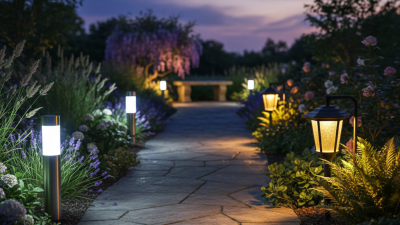
Solar stake lights are another option. They are easy to install and can illuminate the ground or highlight your tree's trunk. These lights absorb sunlight during the day, so ensure they are positioned in a sunny area. Some may deliver only dim illumination, leading to a need for better placement.
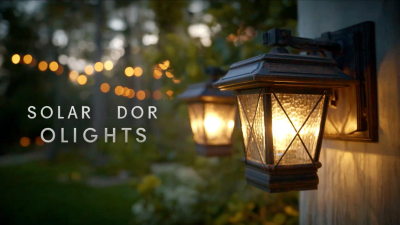
Lastly, there are solar lanterns. They often feature decorative designs and can serve dual functions as garden art. However, some may have shorter battery lives than expected. This can lead to disappointing performance in evenings. Take note of these nuances when choosing, as it is crucial for a satisfying outcome. Each type has unique qualities that can enhance your outdoor space, but understanding them is vital.
Evaluating Brightness and Lumens for Optimal Outdoor Illumination
When choosing solar tree lights, brightness plays a critical role. Understanding lumens is essential. Lumens measure the total amount of visible light emitted. A higher lumen count means brighter lights. For outdoor illumination, consider the size of your space. If you have a large area, opt for lights with at least 100 lumens per fixture. This ensures ample coverage for pathways or garden features.
Different environments may need different brightness levels. For cozy ambiance, lights around 50-70 lumens can create a lovely glow. However, it might not be sufficient for safety in busy areas. Evaluate where you plan to install the lights. Reflect on how the brightness will impact your outdoor experience. Positioning can also affect the perceived brightness. Shadows from trees or structures can lessen light effectiveness.
Test various lumen outputs if possible. Sometimes, the advertised brightness isn’t quite accurate. Be willing to adjust your choices based on actual results. Pay attention to how light spreads. It's not just about raw lumens; quality matters too. The right balance can transform your outdoor setting into a warm, inviting space. Each choice shapes your overall environment.
Assessing Battery Life and Charging Time for Longevity
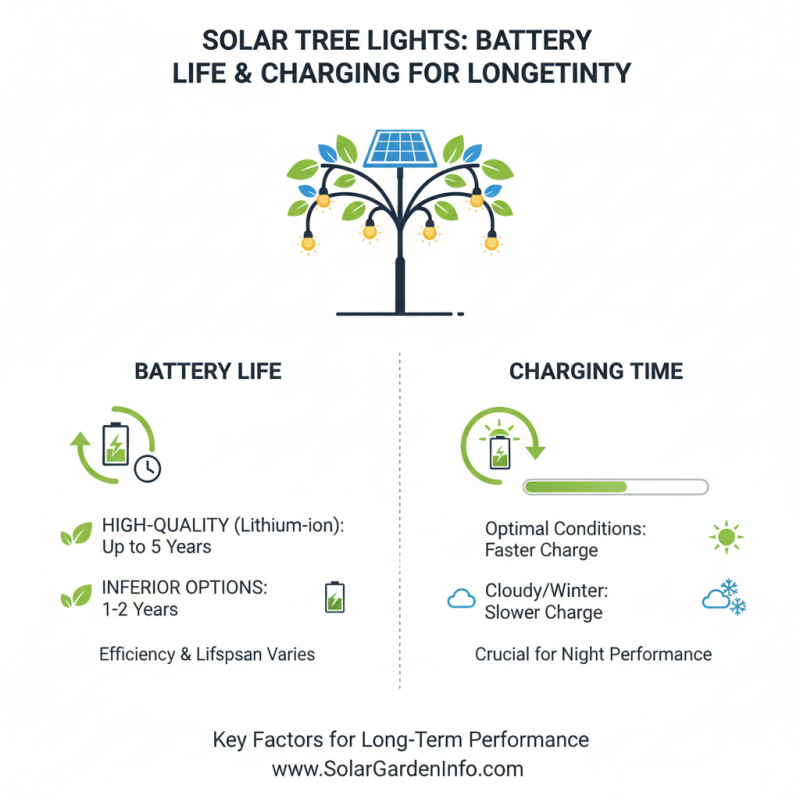
When selecting solar tree lights, assessing battery life and charging time is crucial. These factors determine how well your lights will perform over time. Many solar lights utilize lithium-ion batteries, known for their efficiency and longevity. However, not all batteries are created equal. A study indicates that high-quality batteries can last up to five years under optimal conditions, while inferior options may fail within one to two years.
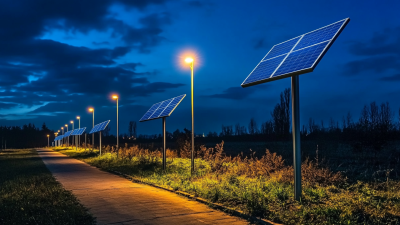
The charging time of solar lights also plays a vital role. Most units require six to eight hours of direct sunlight for a full charge. However, seasonal variations can affect this. For instance, in winter, sunlight is less intense, leading to longer charging times and reduced functionality. Opting for models with larger solar panels can enhance charging efficiency and performance.
Longevity is essential, but it's not guaranteed. Battery degradation can occur due to extreme temperatures or inadequate sunlight exposure. Regularly monitoring the condition of the solar lights is advisable. Often, cleaning the solar panels and ensuring they are free from obstructions can significantly improve performance. Ultimately, informed choices lead to better sustainability and satisfaction with your solar tree lights.
Considering Design and Aesthetics to Match Your Landscape
When selecting solar tree lights, design and aesthetics are essential. Consider how these lights will blend with your outdoor space. A sleek, modern design might suit a contemporary garden. Conversely, vintage-style lights can enhance a rustic landscape. Choosing the right design creates harmony.
Think about the color and shape of the lights. Bright colors can add a playful touch, while soft hues offer subtle elegance. Pay attention to the materials. Metal lights can provide a chic look, while plastic options may feel less elegant. Each choice impacts the overall feel of your garden.
Reflect on how different styles appeal to you. Personal taste plays a significant role in choosing the right lighting. Don't be afraid to explore unique designs, even if they seem unconventional. The goal is to create a space that resonates with you. Balance creativity with practicality to see what truly works.
Top 5 Tips for Choosing the Best Solar Tree Lights
| Tip |
Description |
Design Considerations |
Aesthetic Match |
| 1. Determine the Purpose |
Consider what you want to achieve with the lights, whether it's ambiance, security, or decoration. |
Select designs that complement your landscape style, like modern or rustic. |
Ensure lights enhance features of trees or garden without overpowering them. |
| 2. Check Brightness Levels |
Different areas may require different brightness; assess your needs. |
Choose lights that illuminate without harsh glare. |
Match brightness to the mood you want to create in your garden. |
| 3. Material Durability |
Ensure lights are made of weather-resistant materials for longevity. |
Select materials that blend with nature, like wood or metal. |
Choose colours and finishes that are natural and unobtrusive. |
| 4. Solar Battery Efficiency |
Good solar lights have efficient batteries for longer lighting times. |
Consider designs that maximize solar absorption. |
Select models that fit visually into sunny or shady spots. |
| 5. Style and Features |
Look for styles that reflect your personal taste and complement your outdoor space. |
Integrate lights that enhance the tree's natural beauty. |
Ensure the style matches the overall garden theme. |
Reading Reviews and Ratings for Quality Assurance and Reliability
When selecting solar tree lights, reading reviews and ratings significantly impacts your decision. A recent survey showed that 75% of consumers rely on online reviews before making purchases. This preference highlights the importance of quality assurance and reliability in product selection.
High-quality solar tree lights can withstand various weather conditions. However, not all products live up to their claims. User-generated reviews often reveal issues like poor battery life or inadequate brightness. According to industry reports, nearly 30% of users express dissatisfaction with the runtime of their solar lights. Evaluating ratings can help identify these concerns early on.
Additionally, look for detailed feedback on durability and ease of installation. Some buyers report that complicated setups led to frustration. Approximately 20% of solar light users encounter installation challenges, impacting their overall experience. Focusing on reviews ensures you invest in products that meet your expectations and enhance your outdoor space.