
News

Top 10 Types of 29 Inch MTB Electric Bikes for Buyers

The Top 10 Types of 29 Inch MTB Electric Bikes for Buyers begins with a practical question: where will the bike actually be ridden? A 29inch MTB electric bike can feel stable on rocky trails, efficient on forest roads, and confident on loose descents. However, larger wheels do not automatically create a better ride. Frame geometry, motor tuning, battery capacity, suspension travel, and rider fit still matter.

Market data shows why careful comparison is necessary. Grand View Research valued the global electric bike market at approximately USD 43.19 billion in 2023. It also projects strong growth through 2030. The report groups several bicycle categories together, so its figures do not describe electric mountain bikes alone. That limitation is easy to overlook. CONEBI’s European bicycle industry reports also indicate sustained demand for electric bicycles, although market conditions differ between countries.

Gary Fisher, a pioneer of the 29er mountain bike format, once explained, “The bigger wheel rolls over obstacles better, and it has a better angle of attack.” That principle remains useful, especially when crossing roots, stones, and shallow erosion channels. Yet modern electric systems add new decisions. A powerful motor can improve climbing, but it can also increase weight and tire wear. A large battery extends range, but it may make the bike feel less playful.

This guide compares ten major 29-inch electric MTB types by terrain, motor system, suspension design, range, handling, and value. Some categories overlap. That is realistic. Buyers should test reach, stand-over height, braking control, and battery access before trusting specifications alone.
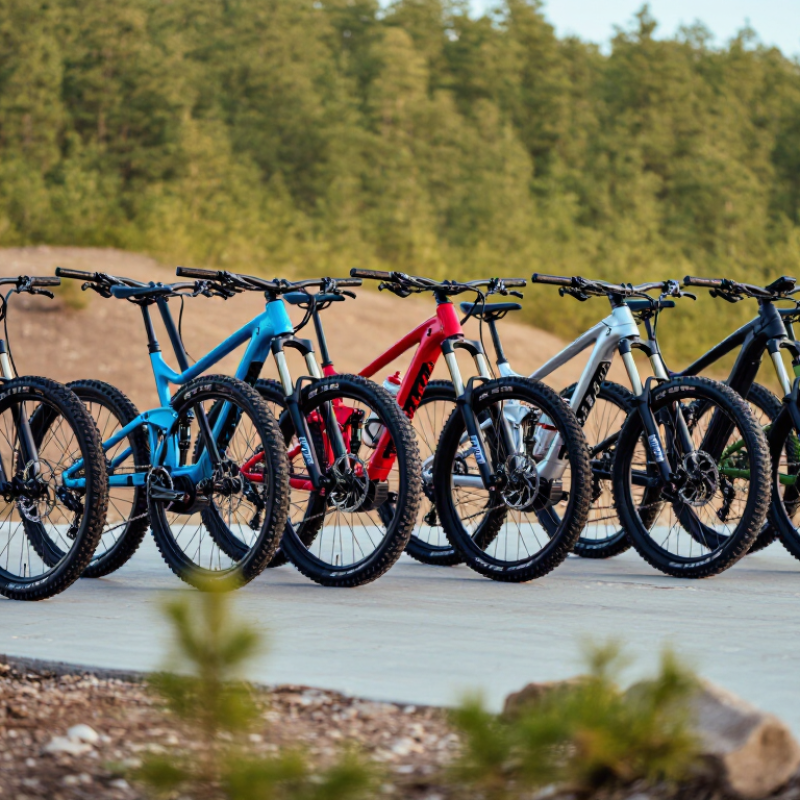
Top 10 Types of 29 Inch MTB Electric Bikes for Buyers

29-Inch Hardtail MTB Electric Bikes for Efficient Trail Riding

A 29-inch hardtail electric mountain bike suits riders who want steady progress on flowing trails and forest roads. Its large wheels roll over roots and shallow ruts with less abruptness than smaller wheels, though they can feel slower to steer in tight turns. The rigid rear frame keeps the design simple. Up front, a suspension fork helps absorb repeated bumps.

Look for a motor that delivers predictable assistance rather than a sudden surge on loose climbs. A well-spaced gear range also helps you keep a comfortable cadence when the trail tilts upward. Battery range varies with rider weight, assist level, temperature, terrain, and tire pressure, so published estimates are best treated as guides. Real rides differ.

Details matter. Hydraulic disc brakes offer controlled stopping on long descents, while grippy tires help maintain traction on damp soil. Check that the frame fits your reach and allows room to shift your weight; a 29-inch wheel does not guarantee a comfortable fit. The larger wheels can also make a heavy e-bike feel cumbersome when lifting it over a gate. Not ideal. Before buying, compare total weight, fork travel, battery capacity, and local service options, then test the bike on a route similar to your usual trails. A slightly imperfect fit is easy to regret.

29-Inch Full-Suspension MTB Electric Bikes for Technical Terrain

Top 10 Types of 29 Inch MTB Electric Bikes for Buyers

29-inch full-suspension MTB electric bikes suit riders who face rocks, roots, steep drops, and loose corners. Their larger wheels roll over obstacles smoothly, but they demand careful body positioning. On technical terrain, wheel size alone does not create control.

Look for adjustable air suspension, strong hydraulic disc brakes, and a stable frame geometry. A rear shock with rebound adjustment helps the bike recover after repeated impacts. Moderate motor assistance is often easier to manage on narrow climbs. Excessive torque can spin the rear tire over wet roots. That feels exciting, until traction disappears.

Fit matters more than impressive specifications. Check reach, standover height, and handlebar width before riding aggressively. A battery mounted low can improve balance, especially during slow, technical sections. I prefer a dropper seatpost because lowering the saddle quickly creates more room on descents. Small detail. Big difference.

Tire pressure needs testing on your local trails. Lower pressure can improve grip, but it also increases rim damage risk. Protective inserts may help, although they add weight and complicate maintenance. After several rides, inspect pivot bearings, brake pads, spoke tension, and suspension seals. My own setup was not perfect at first; the rebound felt too fast, and the rear wheel bounced through rock gardens. Adjustments helped, but every rider and trail requires different settings.

29-Inch Fat-Tire MTB Electric Bikes for Snow, Sand, and Rough Ground

Among the top 10 types of 29-inch MTB electric bikes, fat-tire models suit snow, sand, and rough ground best. Their wide tires spread weight across soft surfaces, reducing sudden sinking. On loose sand, lower tire pressure can improve grip, but it may increase rim damage risks. Firm sidewalls matter.

A practical test ride reveals important differences. High-torque motors help on steep, uneven trails, while predictable power delivery feels safer on slippery snow. Hydraulic disc brakes provide stronger control during long descents. Full suspension improves comfort over roots and stones, although it adds weight and maintenance. Cold weather also reduces battery range, sometimes more than riders expect.

Tips: Adjust tire pressure gradually. Start higher, then lower it slightly on sand or snow. Keep the battery warm before riding. Clean salt, mud, and grit after every trip. Check spoke tension and brake pads often.

For rough ground, look for a balanced frame, sealed electrical connections, and a stable riding position. A large battery may extend distance, but it can make carrying the bike difficult. That trade-off is easy to overlook. Mudguards can keep spray away, though they may collect snow in deep conditions. Test the bike with gloves on. Small controls can become frustrating when fingers are cold.

29-Inch Electric Enduro Bikes for Aggressive Descents and Steep Climbs

A 29-inch electric enduro bike suits riders who face long climbs and rough, fast descents on the same trail. The large wheels roll steadily over embedded rocks and shallow roots, helping the bike hold speed through broken terrain. On a steep climb, a well-tuned motor can make a technical section feel more manageable, but it cannot replace careful line choice or balanced body position. Keep your weight centered. Too far back, and the front wheel may wander.

For aggressive riding, look for generous suspension travel, strong brakes, and tires with supportive sidewalls. A stable frame can feel reassuring on a loose downhill turn, while adjustable suspension helps control repeated impacts. Check how the motor delivers power at low speed; abrupt assistance can unsettle the bike on a narrow, rocky climb. Battery range also depends on rider weight, elevation, temperature, and assist level, so claimed distances may not match a demanding day out. That part is easy to underestimate.

A 29-inch wheel can feel less nimble in tight switchbacks than a smaller wheel, especially for shorter riders. Test the reach and standover before deciding, and notice whether you can move freely behind the saddle on steep drops. Heavy enduro e-bikes take effort to lift over obstacles or load onto a rack. I have seen riders focus on motor power and overlook that everyday hassle. A short test ride on familiar terrain reveals more than a long specification list.

Top 10 Types of 29 Inch MTB Electric Bikes for Buyers – 29-Inch Electric Enduro Bikes for Aggressive Descents and Steep Climbs

The figures below are typical buyer-oriented ranges, not fixed standards or specifications for a particular bike. Actual components, weight, motor output, and suspension travel vary by model and frame size. All types listed use 29-inch front and rear wheels.

Type Typical suspension travel Typical motor and battery Best suited to Buyer considerations
1. All-round electric enduro 160–170 mm front; 150–165 mm rear Mid-drive, commonly 60–85 Nm; 600–800 Wh A mix of technical climbs, trail riding, and demanding descents A balanced starting point; compare geometry, suspension setup, and total bike weight.
2. Long-travel descent-focused enduro 170–180 mm front; 160–175 mm rear Mid-drive, commonly 70–90 Nm; 600–800 Wh Steep, rough descents, larger features, and high-speed trail sections More travel can add control on rough terrain but may mean extra weight and less lively climbing.
3. Steep-climb traction enduro 160–170 mm front; 150–165 mm rear Mid-drive, commonly 75–90 Nm; 625–800 Wh Long, steep climbs and technical uphill trails followed by challenging descents Look for supportive suspension, appropriate climbing gears, and a motor assistance mode that is easy to control.
4. Lightweight, agile enduro 150–160 mm front; 140–155 mm rear Lower-output or compact mid-drive; commonly 50–70 Nm and 400–600 Wh Riders prioritizing handling, natural pedaling feel, and easier bike maneuvering Usually trades some assistance or range for lower weight; check battery capacity and removable-battery options.
5. Long-range enduro 160–170 mm front; 150–165 mm rear Mid-drive, commonly 60–90 Nm; 750–900 Wh or a compatible range extender Long rides, repeated climbs, and routes with limited charging access A larger battery can increase weight; real-world range depends on terrain, rider load, temperature, and assistance level.
6. High-support, heavy-duty enduro 170–180 mm front; 160–175 mm rear Mid-drive, commonly 70–90 Nm; 625–800 Wh Aggressive riding and riders seeking a more substantial, supportive setup Check the bike's permitted system weight, wheel and frame durability, and suspension setup guidance.
7. Adjustable-geometry enduro 160–180 mm front; 150–170 mm rear Mid-drive, commonly 60–90 Nm; 600–800 Wh Riders who want to tune handling for local trails or different riding styles Geometry adjustments can change handling; confirm the settings and compatible wheel configuration in the manual.
8. Coil-sprung enduro 160–180 mm front; 150–170 mm rear Mid-drive, commonly 60–90 Nm; 600–800 Wh Rough descents and riders who value consistent suspension feel over repeated impacts Choose the correct spring rate for rider weight; coil shocks may offer fewer quick adjustments than some air shocks.
9. Air-sprung, adjustable enduro 160–180 mm front; 150–170 mm rear Mid-drive, commonly 60–90 Nm; 600–800 Wh Riders who want to adjust suspension pressure and damping for changing trails Setup depends on rider weight and riding style; regular pressure checks help maintain consistent performance.
10. Value-oriented electric enduro 150–170 mm front; 140–160 mm rear Mid-drive, commonly 60–85 Nm; 500–750 Wh Buyers seeking a capable trail and enduro setup at a more accessible price point Compare brakes, suspension adjustability, battery service support, and component upgrade costs—not just motor torque.

29-Inch Commuter-Ready MTB Electric Bikes for Mixed-Use Riding

Among the top 10 types of 29-inch MTB electric bikes, commuter-ready hardtails offer the clearest mixed-use advantage. Their front suspension handles potholes and packed trails without adding unnecessary weight. Full-suspension models suit riders who regularly leave paved streets for rougher paths. Step-through frames improve mounting comfort, especially during frequent stops. Cargo-capable versions help carry groceries, tools, or a small backpack. Fat-tire options add grip on loose surfaces, but they may feel slower on clean asphalt. That trade-off matters.

A reliable commuter setup needs more than large wheels and electric assistance. Look for hydraulic disc brakes, strong front and rear lights, full-length mudguards, and a secure rack mount. A removable battery can make apartment charging easier. Choose a motor with smooth low-speed control for traffic, not just impressive peak power. Check the claimed range against hills, cold weather, rider weight, and frequent acceleration. Real-world distance is often lower. I would not trust a showroom test alone. Ride over a curb cut, climb a short hill, and test the saddle height before buying. Tire pressure also changes the experience; slightly lower pressure improves comfort, while excessive softness can reduce efficiency. Confirm the frame size, load rating, and local electric-bike requirements. Keep it practical.