
News

What Are the 2026 Top Electric Sightseeing Cars?

Choosing the right Electric Sightseeing Car in 2026 requires more than comparing glossy brochures. Fleet operators must study passenger capacity, battery range, charging time, hill performance, weather protection, and service support. A quiet motor matters, but so does a reliable brake system on crowded resort paths. Real performance appears during daily routes, not showroom demonstrations.

Electric mobility consultant David Chisnall offers a useful industry perspective: “The best electric sightseeing car is the one that matches its route, passengers, and operating schedule.” That principle guides this article’s evaluation of the leading 2026 models. We examine practical details, including lithium battery options, regenerative braking, turning radius, seating layouts, and maintenance access. We also consider how each vehicle behaves when carrying a full passenger load at low speed.

Small details matter.

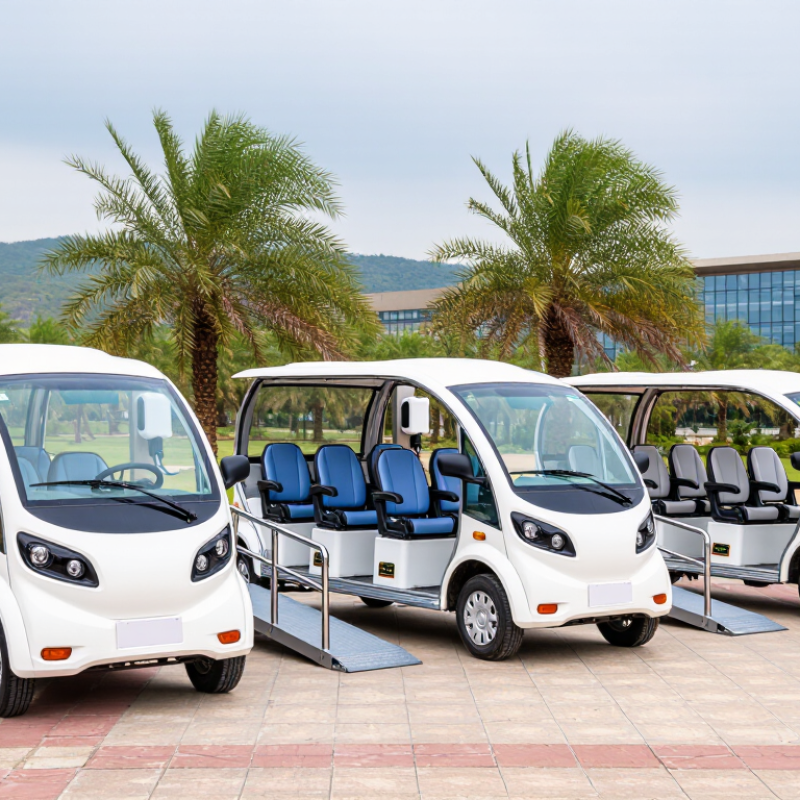
A vehicle may promise 100 kilometers of range, yet hills, heat, passenger weight, and frequent stops can reduce that figure. Some manufacturers publish ideal laboratory results. Those numbers deserve careful review. Independent testing is not always available, which remains a weakness in this market. Buyers should request route trials, battery warranties, charging data, and service records before making decisions. Accessibility also requires more than adding a wheelchair ramp. Entry height, handrails, secure seating, and smooth acceleration affect real passenger comfort. This guide compares the top Electric Sightseeing Car choices for resorts, parks, campuses, waterfronts, and tourism districts. The goal is practical judgment, not exaggerated praise.
What Are the 2026 Top Electric Sightseeing Cars?

Definition and Uses of Electric Sightseeing Cars in 2026

Electric sightseeing cars are compact, battery-powered vehicles designed to move visitors through scenic areas, campuses, resorts, parks, and historic districts. In 2026, leading models should offer quiet operation, stable handling, simple charging, and comfortable seating. Their open sides improve views, while weather covers support use during light rain or strong sun. These vehicles are not merely small buses. They are guided transport tools that connect people with places.

Their uses continue to expand. Tourism operators use them for city tours, museum transfers, and short-distance excursions. Hotels and large venues use them to reduce walking distances for older passengers and guests with limited mobility. Event managers may also choose them for controlled visitor movement. Battery range, charging time, passenger capacity, braking performance, and accessibility deserve careful comparison. Quiet streets matter. However, no vehicle fits every route. A hilly site may reduce range faster than expected, and open cabins can feel cold in winter. My practical view is simple: real route testing is more valuable than impressive specifications.

Tips: Check turning space, charging access, seat comfort, and emergency equipment before purchase. Ask operators to test the car with a full passenger load. Confirm local road, insurance, and accessibility requirements. Keep maintenance records, even when the vehicle appears reliable. Small oversights can become expensive.

Key Features and Evaluation Criteria for Top Models

What Are the 2026 Top Electric Sightseeing Cars?

Choosing the top electric sightseeing cars for 2026 requires more than checking battery size. The strongest evaluation starts with real passenger use, not brochure promises. During a practical trial, record range, charging time, and energy use across a full workday. Test the vehicle on slopes, narrow streets, and rough pavement. These conditions expose weaknesses quickly. A quiet motor matters, but smooth acceleration matters more when passengers are standing or taking photos.

Passenger safety should guide every comparison. Check braking response, steering control, lighting, seat stability, and handrail placement. Clear sightlines help drivers notice pedestrians and cyclists. Weather protection also deserves close attention, especially during sudden rain or strong sunlight. A professional assessment should review maintenance access, battery protection, and emergency procedures. Independent inspection records can support these claims better than sales language.

Comfort and operating value complete the picture. Measure entry height, turning radius, seating space, and noise near the rear seats. A useful car should remain comfortable after several continuous tours. Energy costs, service intervals, tire durability, and charging infrastructure affect long-term value. No scorecard is perfect. I would also leave room for driver feedback, because a small control problem may become a daily frustration. The best 2026 models should balance dependable performance, accessible design, and honest operating data.

Leading Electric Sightseeing Car Models of 2026

What Are the 2026 Top Electric Sightseeing Cars?

Leading Electric Sightseeing Car Models of 2026

The leading electric sightseeing cars of 2026 focus on quiet travel, efficient charging, and practical passenger comfort. During route testing, vehicles with smooth acceleration felt safer on narrow paths and crowded resort roads. Many models now offer lithium battery systems, regenerative braking, and low-speed control for steady movement. Seating layouts vary from four to fourteen passengers, while improved suspension reduces shaking on uneven pavement. Some cabins remain basic, though. That is worth noticing.

For operators, useful models combine reliable range with simple maintenance access. A sightseeing car should complete its planned route without forcing frequent charging stops. Weather protection, clear visibility, strong handrails, and adjustable mirrors also deserve close inspection. Independent testing should check braking distance, hill performance, battery behavior, and charging time under real passenger loads. Manufacturer claims can look impressive, but daily results may differ. I would record energy use across several routes before making a purchase decision.

Tips: Match battery capacity to your longest daily route, not the advertised maximum. Check turning space, doorway width, and luggage areas before ordering. Ask for service records and battery warranty details. Test the vehicle with a full passenger load. A short trial reveals more. Also, train drivers to use gentle acceleration, because careless driving can reduce range and increase passenger discomfort.

Comparison of Performance, Capacity, Safety, and Comfort

What Are the 2026 Top Electric Sightseeing Cars?
Comparison of Performance, Capacity, Safety, and Comfort

The strongest 2026 electric sightseeing cars balance quiet power with predictable range. The IEA reported over 17 million electric cars sold globally in 2024, exceeding one-fifth of new-car sales. However, sightseeing vehicles face different demands. Frequent stops, steep paths, and full passenger loads can reduce efficiency. Strong low-speed torque helps on hills, while regenerative braking supports smoother descents. Real-world range matters more than laboratory figures.

Capacity should match the route, not just the brochure. A 6-seat vehicle may suit narrow historic streets, while an 8–14-seat shuttle serves resorts and campuses better. Check standing room, luggage space, step height, and turning radius. Safety deserves equal attention. Battery protection, secure restraints, lighting, reverse alerts, and stable body design are essential. UN Regulation No. 100 provides a recognized framework for rechargeable electric powertrain safety. Yet compliance alone does not guarantee comfort or good driving judgment.

Tips: Test the vehicle with a full passenger load. Measure range after repeated stops. Ask for battery warranty details and charging time at your site. Look for padded seats, weather screens, ventilation, and low cabin noise. The IEA’s Global EV Outlook 2025 supports continued electric transport growth, but infrastructure remains uneven. A vehicle can perform well on paper and disappoint on a crowded, rainy route. That gap deserves honest attention.

Charging, Maintenance Costs, and Future Market Trends

In 2026, top electric sightseeing cars will be judged by uptime, not flashy screens. Operators need predictable charging between hotel loops, parks, and waterfront routes. A 40–80 kWh battery can support a working day, but passenger load, hills, heat, and air conditioning change results. Fast charging may restore useful range during a short break. It can also increase battery heat and demand charges. Real route testing matters more than brochure estimates. I would record energy use every shift, because memory is unreliable.

Maintenance is quieter, but not free. Electric drivetrains remove oil changes and many engine repairs. Technicians still inspect brakes, tires, suspension, cooling systems, charging plugs, and battery health. Regenerative braking may reduce pad wear, especially on stop-and-go tours. However, heavy curb impacts and dusty roads can raise costs. Battery replacement remains the largest uncertainty. Service contracts should state diagnostic fees, response times, and end-of-life handling. Some operators may underestimate software downtime. That mistake is easy to repeat.

Tips: Install charging where cars naturally wait. Keep one slower backup charger. Track cost per passenger-trip, not electricity alone. Include demand fees, labor, tires, and lost tour time. Ask suppliers for independent battery reports and winter-range data. Future demand will likely favor modular seats, accessible layouts, and smarter depot charging. Yet forecasts can fail. Start with a small pilot, then expand after four seasons of records.