
News
2026 Top Sacral Nerve Stimulator Manufacturers?
A Sacral Nerve Stimulator is more than an implantable pulse generator. It is a therapy system whose lead placement, programming, battery life, and follow-up can shape a patient’s experience for years. For buyers and clinicians comparing manufacturers in 2026, those details matter as much as headline market claims.
Clinical evidence offers a useful anchor. In a five-year prospective multicenter study, Siegel and colleagues reported therapeutic success among evaluated patients with overactive bladder, including 67% with urge urinary incontinence and 56% with urgency-frequency symptoms. These are clinical outcomes, not a guarantee for an individual patient. The 2024 AUA/SUFU overactive bladder guideline also states: “Clinicians may offer sacral neuromodulation (SNS)” to patients whose symptoms have not responded adequately to other treatments. Urologist Dr. David A. Ginsberg contributed to that guideline panel; its recommendation supports considering the therapy, not favoring a particular brand.
The manufacturer landscape should therefore be judged on evidence, device usability, programming options, service support, and long-term follow-up—not promotional claims alone. Compare the lead and generator together. Ask how the system handles MRI needs, charging, replacement, and troubleshooting; verify details against current product labeling. Market forecasts can differ because reports define the category differently. Treat them as estimates, not audited sales figures. This guide examines the leading manufacturers through a practical lens. There is no perfect device, and published outcomes cannot settle every real-world choice.
Understanding Sacral Nerve Stimulation and Its Clinical Uses
Sacral nerve stimulation, also called sacral neuromodulation, uses mild electrical pulses to influence signals between the sacral nerves, bladder, and bowel. A thin lead is placed near a sacral nerve, commonly S3, and clinicians typically test symptom response before considering long-term treatment. It may be considered for overactive bladder, non-obstructive urinary retention, or fecal incontinence when conservative care has not helped enough. Small steps matter.
Clinical results vary. In the prospective multicenter InSite study, published in the Journal of Urology, five-year therapeutic success was reported in 67% of implanted participants treated for overactive bladder and 82% of those treated for urinary retention. These figures describe study participants, not a guaranteed outcome for every patient. Device burden, side effects, changing symptoms, and follow-up needs also deserve discussion. The numbers are encouraging, but they are not the whole story.
Tip: Keep a symptom diary before assessment, noting urgency, leakage, bowel episodes, and nighttime trips. Ask how the test phase is judged, what follow-up involves, and whether the device fits your imaging and daily-life needs. A few missed entries can muddy the picture.

How Sacral Nerve Stimulators Are Designed and Made
2026 Top Sacral Nerve Stimulator Manufacturers?
How Sacral Nerve Stimulators Are Designed and Made
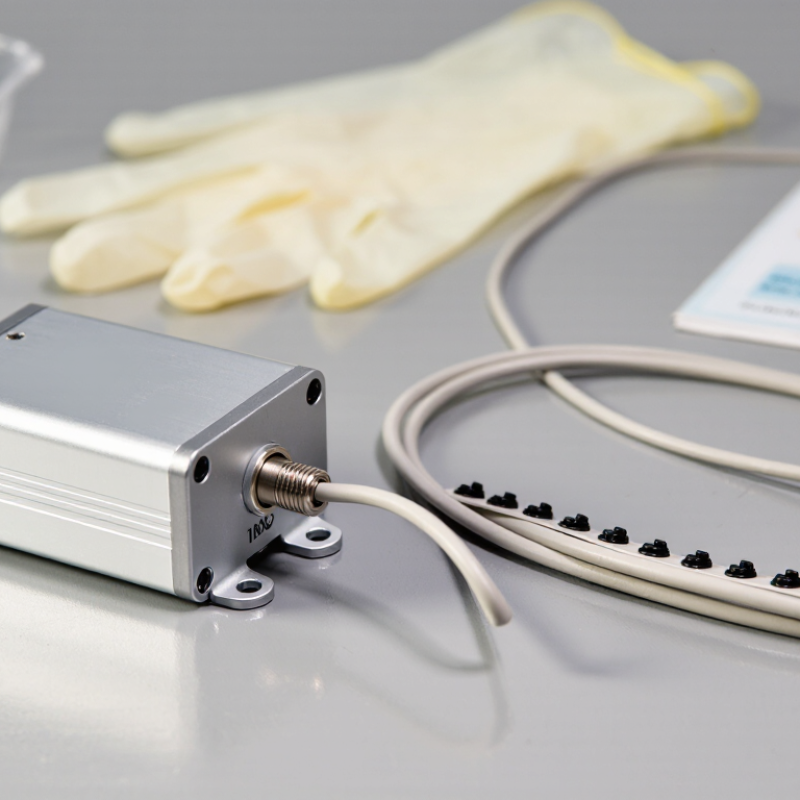
Design starts with a clinical goal: delivering controlled electrical pulses near the sacral nerves. Engineers work with clinicians to define stimulation ranges, battery life, device size, and programming needs. The implantable unit must fit comfortably beneath the skin. Its outer enclosure is typically made from biocompatible materials and sealed to protect sensitive electronics from bodily fluids. Small details matter. A rough edge or unreliable seal can create problems.
The lead is designed to carry pulses from the device to carefully positioned electrodes. Its flexible insulation must withstand movement, while the contacts need consistent electrical performance. During manufacturing, components are assembled in controlled environments, then inspected for defects. Tests may assess pulse output, battery behavior, electrical safety, and enclosure integrity. Each production stage needs documented checks, not just a final visual review.
Designers also consider how clinicians will place, adjust, and monitor the system. Programming tools should make settings clear without hiding important information. Devices undergo verification and validation before clinical use, including assessments of reliability and biocompatibility. Still, no design removes every trade-off. Smaller batteries may mean more frequent replacement, while added features can increase complexity. Those choices deserve careful review with clinical teams and patients.
2026 Top Sacral Nerve Stimulator Manufacturers? – How Sacral Nerve Stimulators Are Designed and Made
| Design or Manufacturing Area | What It Involves | Relevant Technical Considerations | Typical Verification or Quality Checks |
|---|---|---|---|
| Therapy purpose | Sacral neuromodulation delivers electrical stimulation to sacral nerves to help manage selected bladder or bowel conditions. | Indications and approved use depend on the specific device and the applicable regional authorization. | Design inputs and clinical evidence are evaluated against the device’s intended use and applicable regulatory requirements. |
| Implantable pulse generator | A small implanted electronic unit produces controlled stimulation pulses and connects to an implanted lead. | Design considerations include pulse control, power source, enclosure integrity, and compatibility with the lead system. | Electronic performance, electrical safety, enclosure integrity, and system compatibility are assessed during development and production. |
| Lead and electrodes | An insulated lead carries stimulation from the generator to electrodes positioned near a sacral nerve. | Lead flexibility, insulation, electrode performance, and resistance to movement-related stress are important design factors. | Insulation, electrical continuity, connection strength, and mechanical performance are checked using defined test procedures. |
| Target location and placement | Implantation commonly targets the S3 sacral nerve; other placement decisions depend on clinical assessment and the specific system. | Lead position is selected by a qualified clinician. Placement methods and system features vary by device. | Clinical placement and stimulation response are assessed during the procedure according to the device instructions and clinical practice. |
| Power options | Implantable systems may use a non-rechargeable battery or, in some designs, a rechargeable power source. | Battery choice affects charging or replacement considerations, implant design, and patient-management instructions. | Power delivery and operating behavior are tested against the design specifications; expected service life is device-specific. |
| Programming and control | External programming equipment allows authorized clinicians to adjust stimulation settings; some systems also provide patient controls within prescribed limits. | Available settings and control functions differ across systems and must follow the device’s labeling and clinical instructions. | Communication, programming functions, and safeguards are verified as part of system-level testing. |
| Materials and packaging | Implant materials and packaging are selected for their intended contact with the body and for protection during storage and transport. | Biocompatibility, material compatibility, and package performance are evaluated for the specific device and use conditions. | Testing and documentation address relevant biocompatibility and packaging requirements under applicable standards and regulations. |
| Assembly and production controls | Manufacturing generally involves controlled assembly of electronic components, the enclosure, connectors, and lead-system parts. | Process controls help maintain consistent assembly and traceability; exact production methods are manufacturer-specific. | Documented inspections, process monitoring, and finished-device acceptance tests are used within a quality management system. |
| Sterilization and release | Devices supplied sterile are processed using a validated sterilization method suitable for their materials and design. | The method and packaging configuration are specific to the product and must maintain device performance and package integrity. | Sterilization validation, package checks, records review, and required release testing support product release. |
| Manufacturer comparison | Meaningful comparisons can consider authorized indications, system configuration, programming features, power options, clinical evidence, and service support. | Features and regulatory status vary by product and market; a general ranking cannot be established from design characteristics alone. | Verify current product labeling and regulatory information for the relevant country before making a clinical or procurement decision. |
Major Sacral Nerve Stimulator Manufacturers in 2026
In 2026, the manufacturer landscape is shaped by more than device size or battery life. Buyers and clinical teams compare lead placement options, programming tools, MRI conditions, rechargeability, and long-term follow-up support. A 2024 Grand View Research market analysis projected continued growth in sacral nerve stimulation, reflecting wider demand for treatment options for certain bladder and bowel conditions. Market forecasts are estimates, however, and definitions can differ between research firms. They should not replace clinical evidence.
The strongest manufacturers tend to support the full care pathway: clinician training, reliable implant components, patient education, and access to follow-up programming. A small programming adjustment can matter when a patient experiences discomfort or limited symptom improvement. Review published clinical outcomes, study duration, and reported adverse events—not just product specifications. Availability and service quality may also vary by region. This part is easy to overlook.
Tips: Compare MRI conditions, battery expectations, and follow-up requirements in the device documentation. Ask whether published results match the patient group being considered. Treat market-share claims cautiously; independent, comparable data can be limited. A polished brochure is not enough.
Comparing Device Features, Therapies, and Support
Choosing a sacral nerve stimulator involves more than comparing implant size. Ask how each system delivers stimulation, how clinicians adjust settings, and whether rechargeable or non-rechargeable options suit daily routines. Some devices offer patient controls, but permitted adjustments vary. MRI access depends on specific components and scan conditions, so confirm current device labeling with the care team. Details matter.
Therapy experience can differ between people. A temporary trial may help a clinician assess symptom changes before recommending a longer-term implant. Discuss what improvement would mean in practical terms, such as fewer urgent trips to the bathroom or more predictable bowel routines. Ask how follow-up programming works, who handles technical questions, and what support is available if settings feel uncomfortable. Comparisons are not always tidy; a feature that sounds convenient may not matter much in everyday life.
Tips: Bring a short symptom diary to appointments. Note when symptoms occur, what disrupts sleep or travel, and which questions remain unanswered. Ask about battery checks, replacement procedures, and MRI conditions for the exact system being considered. Decisions should reflect your diagnosis, preferences, and clinician’s advice.
How to Evaluate Manufacturers and Their Products
Evaluating a sacral nerve stimulator manufacturer starts with clinical evidence, not polished product pages. Ask for studies that match the intended patient group and treatment stage. Check how outcomes were measured, how long patients were followed, and whether complications were reported clearly. A small study may offer useful signals, but it should not carry the same weight as broader evidence. Details matter.
Review the full system, not just the implant. Compare lead design, programming options, battery life, and the steps required for replacement or follow-up. Confirm MRI conditions for the exact device model; broad claims may not describe every configuration. Ask clinicians how programming works in practice, including what happens when a patient reports discomfort or declining benefit. Check the paperwork.
Manufacturing quality and support deserve close attention. Request information on production controls, component traceability, product-change notifications, and how reported device problems are reviewed. Ask what training is available for clinical teams and how quickly technical questions receive answers. These details can be harder to compare than price, and they are easy to overlook. A neat scorecard may still miss the everyday burden of appointments, charging, or troubleshooting, so include those questions in product evaluations.
2026 Sacral Nerve Stimulator Manufacturers: How to Evaluate Products
Five-year therapeutic success reported in a prospective, multicenter sacral neuromodulation study
How to read this: Therapeutic success was defined as at least 50% improvement in the primary symptom. The published estimates were 67% for urinary urge incontinence and 56% for urgency-frequency.
These clinical results are not a manufacturer ranking. When evaluating products, compare evidence using consistent endpoints and also review MRI-conditional labeling, battery and recharge options, lead configuration, programming features, and long-term revision data. Source: Siegel et al., “Five-year follow-up results of a prospective, multicenter study of patients with overactive bladder treated with sacral neuromodulation” (2018).