
News

How to Use Ascophyllum Nodosum in Agriculture?

Ascophyllum Nodosum Agriculture is attracting attention as growers seek practical ways to support crops under heat, drought, and variable nutrient conditions. The seaweed is processed into liquid extracts, powders, and granules for seed, soil, or foliar application. Product composition and field response can differ.

The wider sector is substantial. FAO’s 2024 report recorded 37.8 million tonnes of aquatic algae production worldwide in 2022; that figure covers many algae species, not agricultural extracts alone. It provides context, not proof of crop performance. Plant-biostimulant expert Patrick du Jardin wrote: “A plant biostimulant is any substance or microorganism applied to plants with the aim to enhance nutrition efficiency, abiotic stress tolerance and/or crop quality traits, regardless of its nutrients content.” His 2015 review in Scientia Horticulturae helps frame what seaweed products may—and may not—claim. Results vary.

For growers, the useful questions are concrete: Which crop? What application timing? What does the product label specify? Research on Ascophyllum nodosum extracts reports potential benefits, but outcomes depend on formulation, dose, crop, and growing conditions. A greener trial plot is encouraging, not conclusive. This guide explains common application methods, practical handling, and the evidence behind them, while noting where results remain uncertain. Follow label directions, keep records, and compare treated rows with untreated controls. That matters.
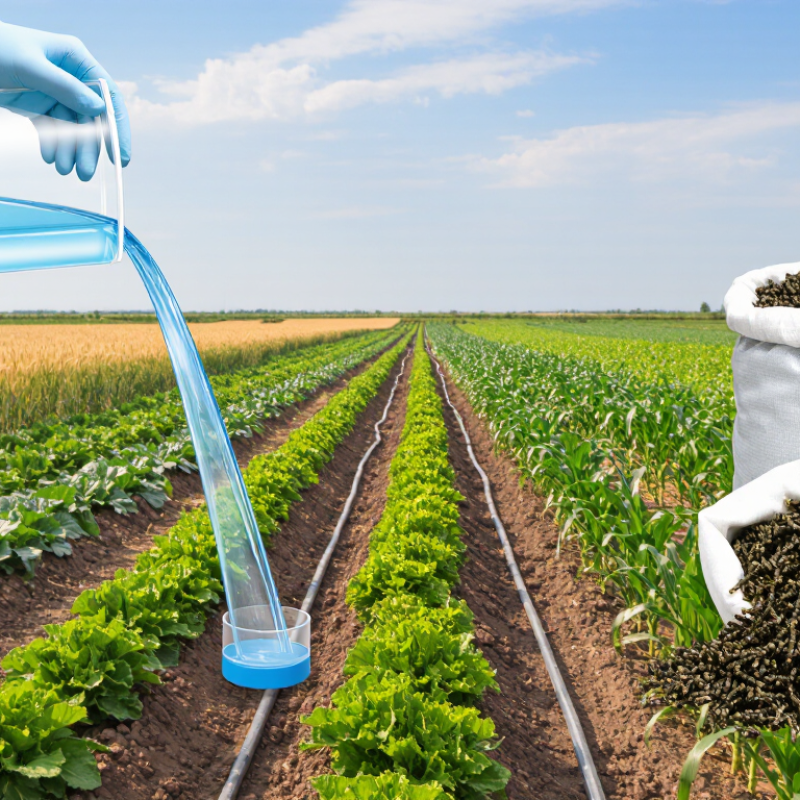
How to Use Ascophyllum Nodosum in Agriculture?

Understanding Ascophyllum Nodosum and Its Agricultural Forms

Ascophyllum nodosum is a brown seaweed harvested mainly from cold North Atlantic shores. It is sold for agriculture as dried meal, soluble powder, or liquid extract. The form depends on processing: drying and milling retain seaweed tissue, while extraction separates soluble compounds from much of the fibrous material. Products can therefore differ in mineral content, organic compounds, and solubility. The label can make the material seem simpler than it is.

Scale matters, but figures need context. FAO’s The State of World Fisheries and Aquaculture 2024 reports 37.8 million tonnes of aquatic algae produced globally in 2022. That figure covers many algae and production systems; it is not an estimate of A. nodosum used in agriculture. A peer-reviewed review by Craigie in the Journal of Applied Phycology (2011) describes how seaweed-extract composition and plant responses vary with species and processing. In practice, a liquid may mix readily into a spray tank, while a meal may release nutrients more slowly. Not always. I would avoid treating the forms as interchangeable, or assuming that a higher concentration guarantees better crop response. Check the product’s stated composition and application directions, then assess performance on a small, comparable crop area.

Assessing Crop Needs and Choosing a Suitable Product

Assessing Crop Needs and Choosing a Suitable Product

Choose an Ascophyllum nodosum product based on the crop’s actual needs, not broad claims on a label. Seaweed extracts may support plant growth and stress responses, but they do not replace balanced fertilization or sound irrigation. Walk the field and note uneven growth, leaf color, recent weather, and the crop’s growth stage. Check the field first. Soil or tissue tests can help distinguish a nutrient shortage from heat, waterlogging, or root damage. Those problems can look similar. Guessing can lead to an unnecessary application.

Products vary in concentration, formulation, and recommended use. Read the label for application rate, timing, and whether the product is intended for foliar spraying or soil use. For instance, a grower managing heat stress near flowering may consider a different timing than one supporting early vegetative growth. Follow the product directions, and check compatibility before mixing it with other inputs. Try a small, comparable area before treating the whole field. Record the rate, date, weather, and crop response, then compare treated and untreated rows. Results may be subtle or inconsistent, and one season is not proof. I would be cautious about products promising a guaranteed yield increase; crop response depends on conditions and management.

Selecting Soil, Seed, or Foliar Application Methods

Ascophyllum nodosum extracts can be applied to soil, seed, or foliage, but the best route depends on crop stage and the problem being addressed. Soil drenches place the extract near active roots, especially in transplant zones or dry beds. Seed treatment exposes emerging roots early; use only a product labelled for seed application, and avoid soaking seeds longer than its directions allow. Foliar sprays suit established crops when leaves can absorb a fine, even mist. Apply during cool hours, and keep spray off hot, drought-stressed foliage.

Evidence should guide expectations, not promise a fixed yield gain. FAO’s The State of World Fisheries and Aquaculture 2024 reports 37.8 million tonnes of algae production in 2022. That figure describes the wider seaweed sector, not farm-level results for Ascophyllum products. Peer-reviewed reviews, including Craigie’s 2011 review in the Journal of Applied Phycology, describe potential plant responses but also note variation by crop, extract, dose, and growing conditions. I would test a small area first; field responses are not perfectly predictable.

Tips: Follow the label rate, calibrate the sprayer, and leave an untreated strip for comparison. Record weather and crop stage. Recheck the result next season. Short notes help.

Preparing and Applying the Seaweed Product Correctly

Use an Ascophyllum nodosum product labeled for your crop and application method. Concentrations vary, so follow the label rather than guessing a dilution. Measure water and concentrate accurately, then mix thoroughly in a clean tank. For drip systems, check that the diluted product passes through the filter without leaving residue. A small jar test can reveal settling or incompatibility before a full tank is prepared. Do not combine products simply because both are described as plant stimulants. Test compatibility first.

Application conditions matter. Spray foliage during cooler parts of the day, when leaves are dry and wind is low; avoid rain soon after treatment if the label advises a rain-free period.

FAO’s 2024 State of World Fisheries and Aquaculture reports 37.8 million tonnes of algae production in 2022. That figure shows the scale of the sector, not that every seaweed extract has the same composition or effect.

Start with a small treated strip and an untreated comparison, then record the rate, timing, weather, and crop response. A neat tank is not proof of success. I would still question a result seen only once.

Monitoring Crop Response and Adjusting Use Over Time

Monitor Ascophyllum nodosum as a crop input, not as a guaranteed yield boost. FAO’s 2024 State of World Fisheries and Aquaculture report recorded 37.8 million tonnes of aquatic algae production in 2022. That figure describes sector scale, not farm performance. Field response still depends on crop, timing, weather, and application method.

Keep an untreated comparison strip beside treated rows. Record application date, rate, crop stage, rainfall, and irrigation. Then check the same plants each week for leaf colour, canopy growth, flowering, and visible stress. A handheld chlorophyll meter can add useful readings, but leaf position and time of day should stay consistent.

Small details matter. At harvest, compare marketable yield and quality, not just plant height.

USDA crop-condition reporting tracks factors such as crop stage and condition; growers can use the same disciplined approach in field notes, while recognizing that agency data are not product trials. Change one factor at a time, and follow the product label.

If results differ between blocks, check soil moisture and fertility before increasing the rate.

Weather intervenes. I would not call one good season proof: repeat the comparison across seasons, and keep the disappointing results too.